Cardology for Beginners
Direct answer
Start Cardology by finding the playing card locked to your birthday, reading suit and rank in plain language, then testing the pattern against real life. The cards are coordinates: pattern language, not fortune-telling. Find your card free before anything paid.
If that card keeps matching real life, the One Question Reading · $13 reads one decision from your birth card, this year's Long Range and Pluto cards, and the card you owe. A mirror, not a forecast. Written within about a minute.
By Cassidy Rice · Updated September 22, 2026 · Editorial policy
This path is for people who searched cardology for beginners, how to find my birth card, or what card am I based on my birthday and want the playing-card system — not tarot Major Arcana math and not baby-announcement “birth cards.” Arrived via Destiny Cards or Love Cards? Same family: Destiny Cards & Love Cards explained. For the long definition, see what Cardology is.
The 10-minute path
Step 1
Learn what Cardology is
It is a fixed map from birthday to one playing card — not a shuffled tarot draw and not astrology planets. Same birthday always returns the same card.
What is Cardology? →Step 2
Find your birth card
Use the free calculator with month, day, and year. You get the lifelong birth card plus the planetary ruling card layer.
Birth card calculator →Step 3
Separate birth card from ruling card
Birth card is the engine. Ruling card is the steering. If one description fits and the other explains the tone, you are reading it correctly.
Birth vs ruling →Step 4
Read one real day
Pull today’s card of the day or notice which suit domain is loud in your week — hearts, clubs, diamonds, or spades.
Card of the day →Step 5
Compare two people
Run two birthdays through the compatibility calculator, then open the pair page for the deeper dynamic.
Compatibility calculator →Step 6
Ask one question only if it earns it
If the free tools keep matching real life, the One Question Reading ($13) takes one decision you are circling and reads it from your card, this year's cards, and the card you owe. A mirror, not a forecast. Written for you within about a minute.
One Question Reading · $13 →
Step 2 live: find your birth card
Enter any birthday. The result is deterministic — refresh will not change it.
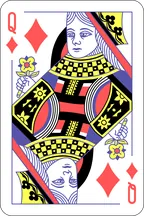
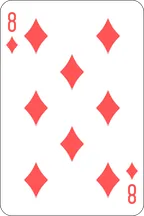
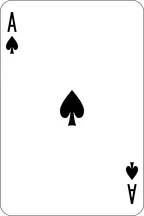
The only vocabulary you need on day one
- Birth card — the lifelong playing card for your birthday.
- Suit — hearts (feeling), clubs (mind), diamonds (value), spades (work/will).
- Rank — Ace through King as movement inside that suit.
- Ruling card — expression style layered on the birth card.
When you want spreads instead of birthday math, switch to how to read playing cards.
How to know it is working
A useful card description names a specific behavior you can point to in the last month — not vague flattery. If nothing matches after an honest week, set it down. Cardology is a lens for self-awareness and entertainment; tendencies, not fate. Method transparency lives on methodology.
When free tools are not enough
The One Question Reading is a one-time $13 purchase: one question, read from your birth card, this year's Long Range and Pluto cards, and the card you owe. About 600 words, emailed within about a minute. A mirror, not a forecast. No subscription.
One Question Reading · $13Beginner FAQ
What do I need to start Cardology as a beginner?
A birthday. You do not need a special deck to calculate a birth card; the free calculator does the math. After that, read the card meaning, then the ruling card, and test the language against a real week.
Is Cardology hard to learn?
The entry point is simple: one birthday, one card. The cards are coordinates, pattern language, not fortune-telling. Depth comes from suits, ranks, ruling cards, timing, and relationships. Start with your card, then add one layer at a time.
Should beginners start with tarot or Cardology?
Cardology uses a 52-card playing deck and locks your birth card to your birthday with fixed math. Tarot uses a 78-card deck and usually starts with a shuffle. If you want the fixed birthday card, start here. They are different tools.
What should I do after I know my birth card?
Read the full card meaning, check your ruling card, look up one important person in your life, and test the language against a real week. If one decision is still circling, the One Question Reading ($13) reads it from your birth card, this year's Long Range and Pluto cards, and the card you owe. It is a mirror, not a forecast, written within about a minute.
Price, turnaround, and what the reading will not do are also on the FAQ.
Free four-part video course
Learn to read your birth card in 14 minutes
Find your card, combine rank and suit, spot balanced and shadow states, and turn the pattern into a practical reflection.
Four short modules · Free with your name and email
Browse the library