
Playing card tattoo meaning
Updated September 7, 2026
A playing-card tattoo is usually a full card, a skull, or a lucky ace. You have seen them. These are none of those. Each image is the pip field a real French-suited deck uses for that rank. Same count. Same placement. Lower pips inverted. Shown as a mark on skin. No border. No index. Court cards are one suit pip, because the face is the card, not the tattoo.
They live on the existing birth-card pages, not as 52 extra URLs. This hub is the index. Generated references, not client work. If you are about to ink a birth card at 1am, find yours first. Sober.
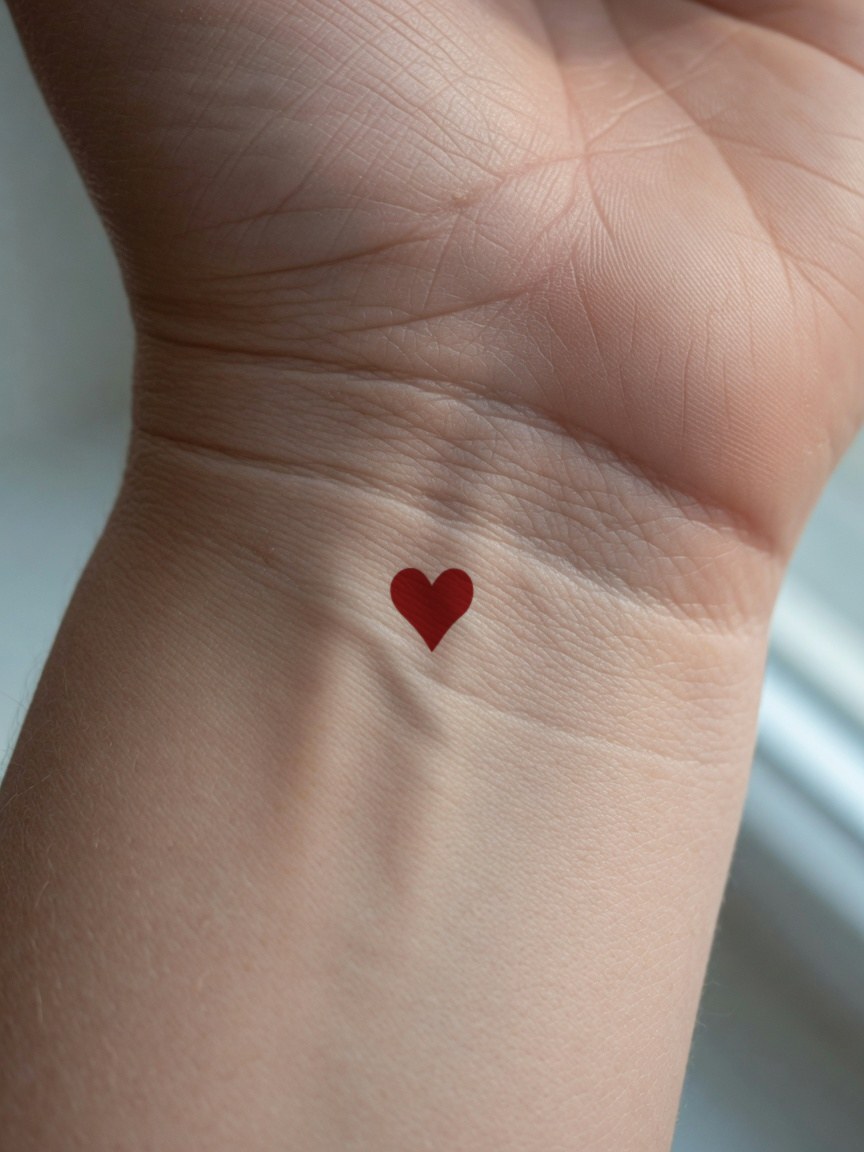
Ace of Hearts
inner wrist
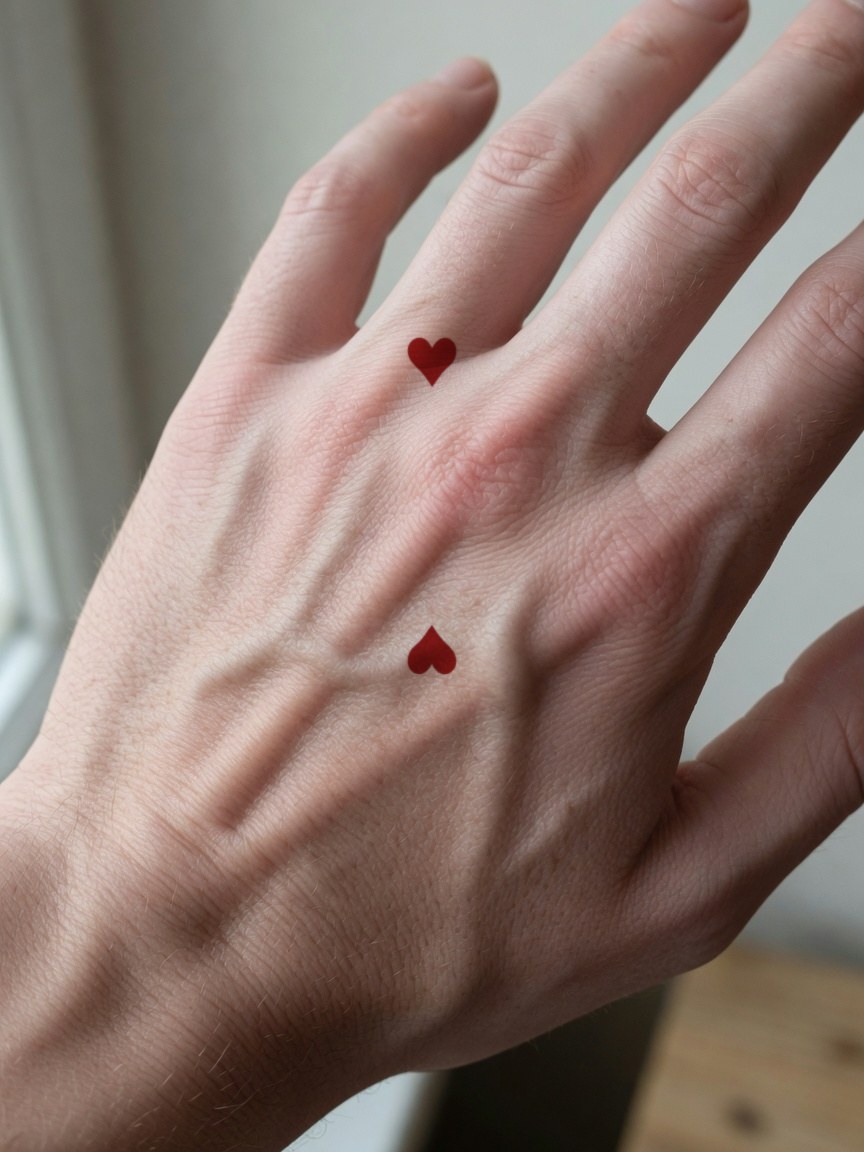
2 of Hearts
back of the hand
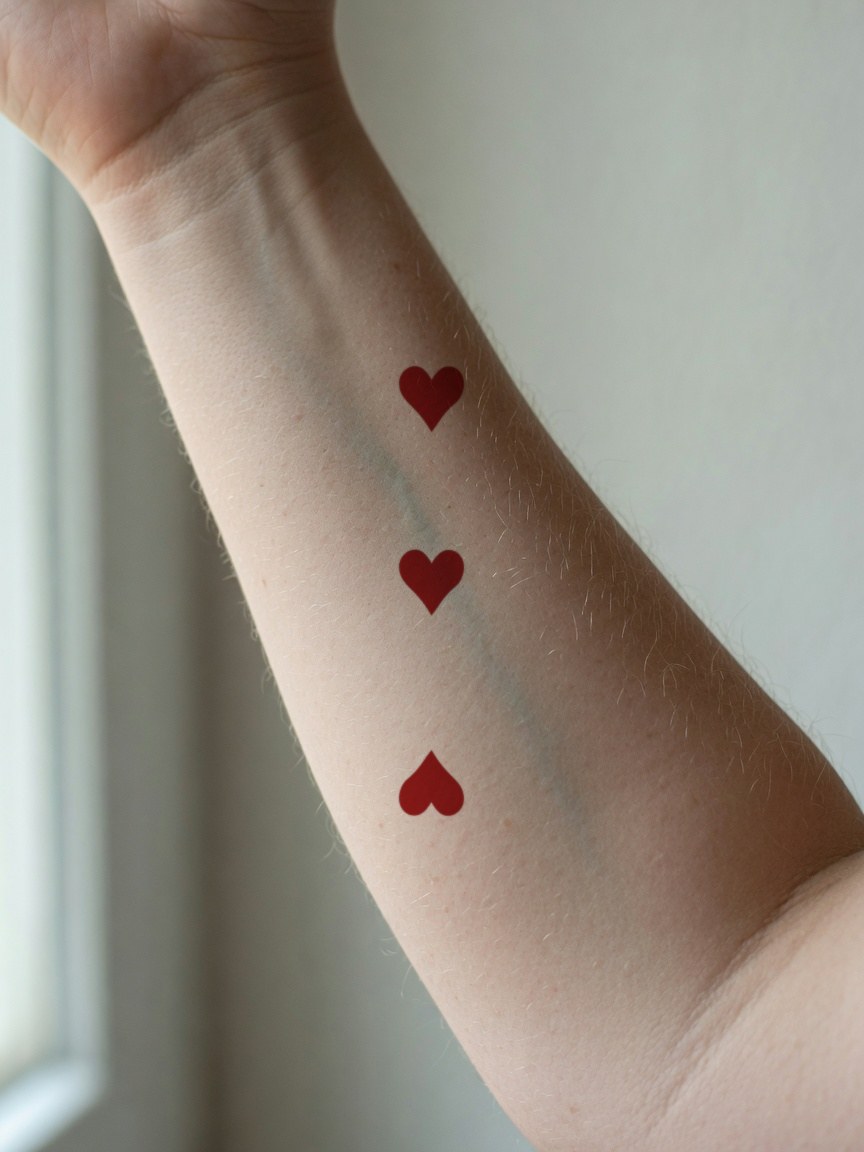
3 of Hearts
inner forearm
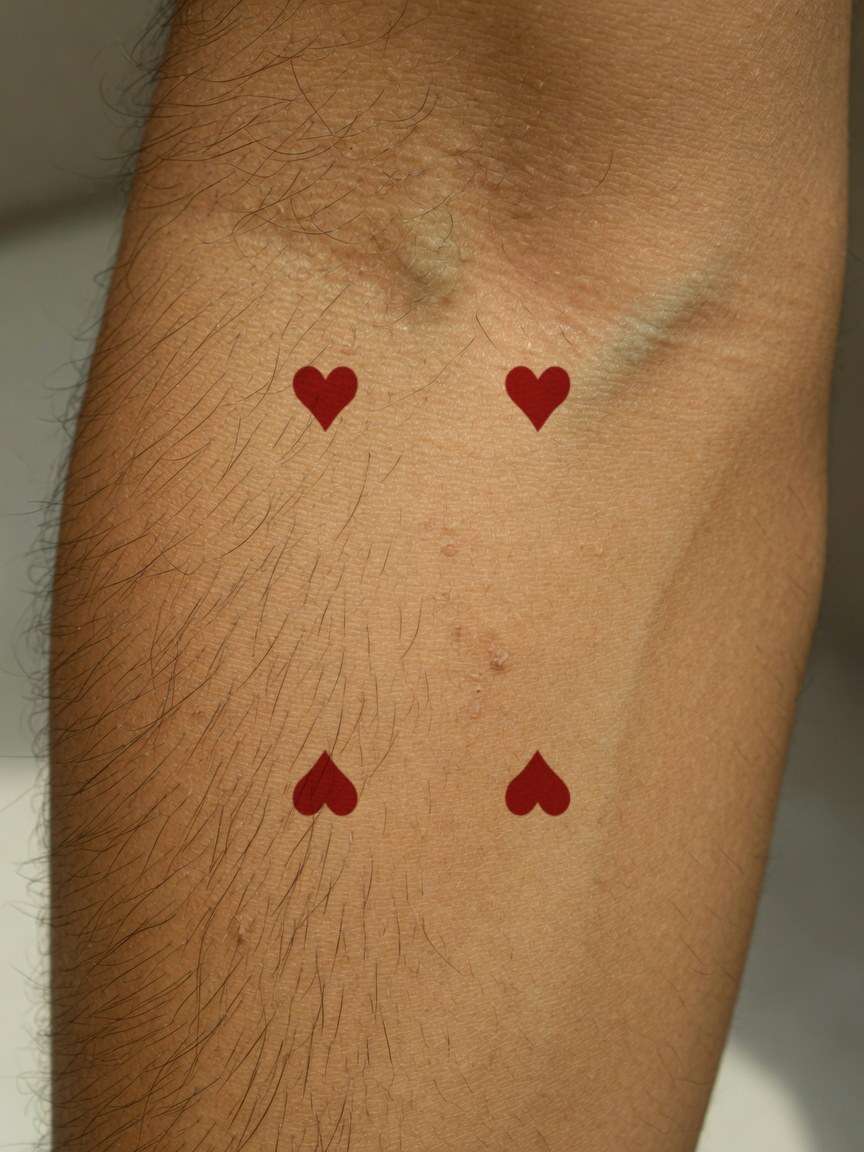
4 of Hearts
outer forearm
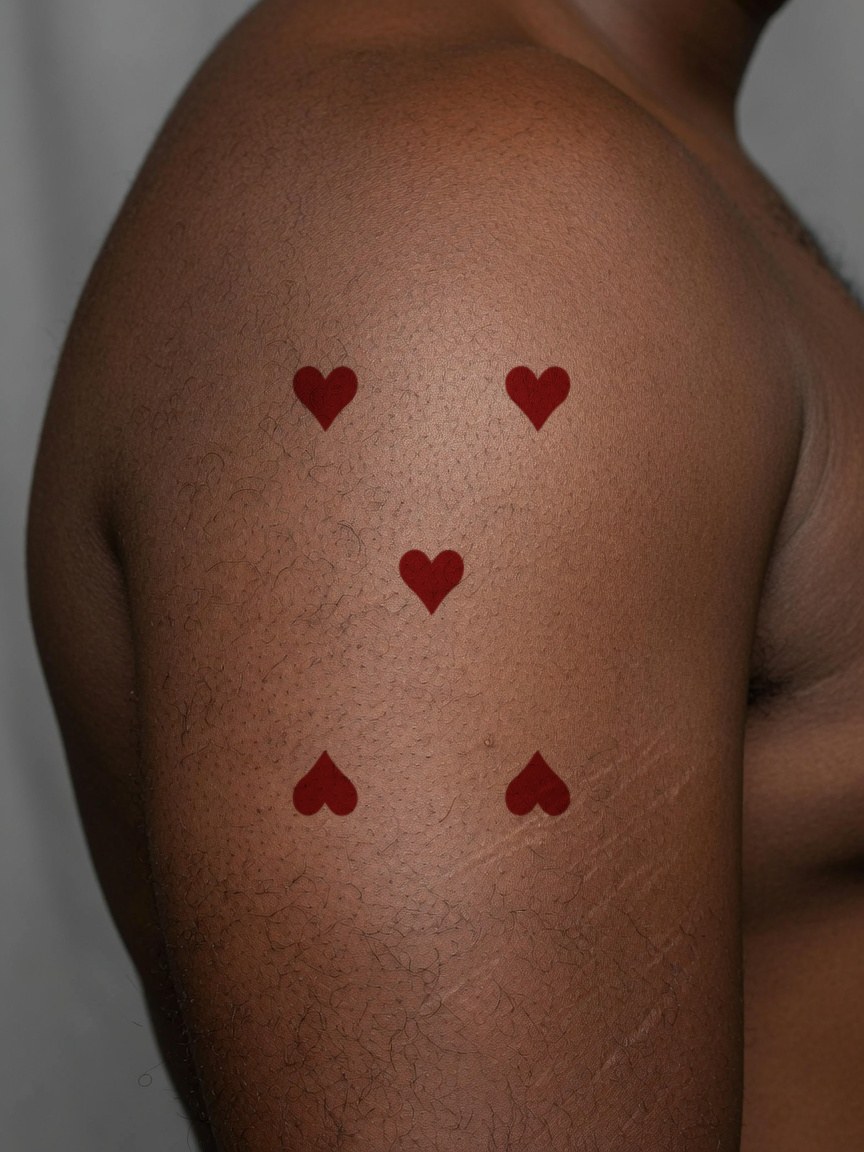
5 of Hearts
upper arm
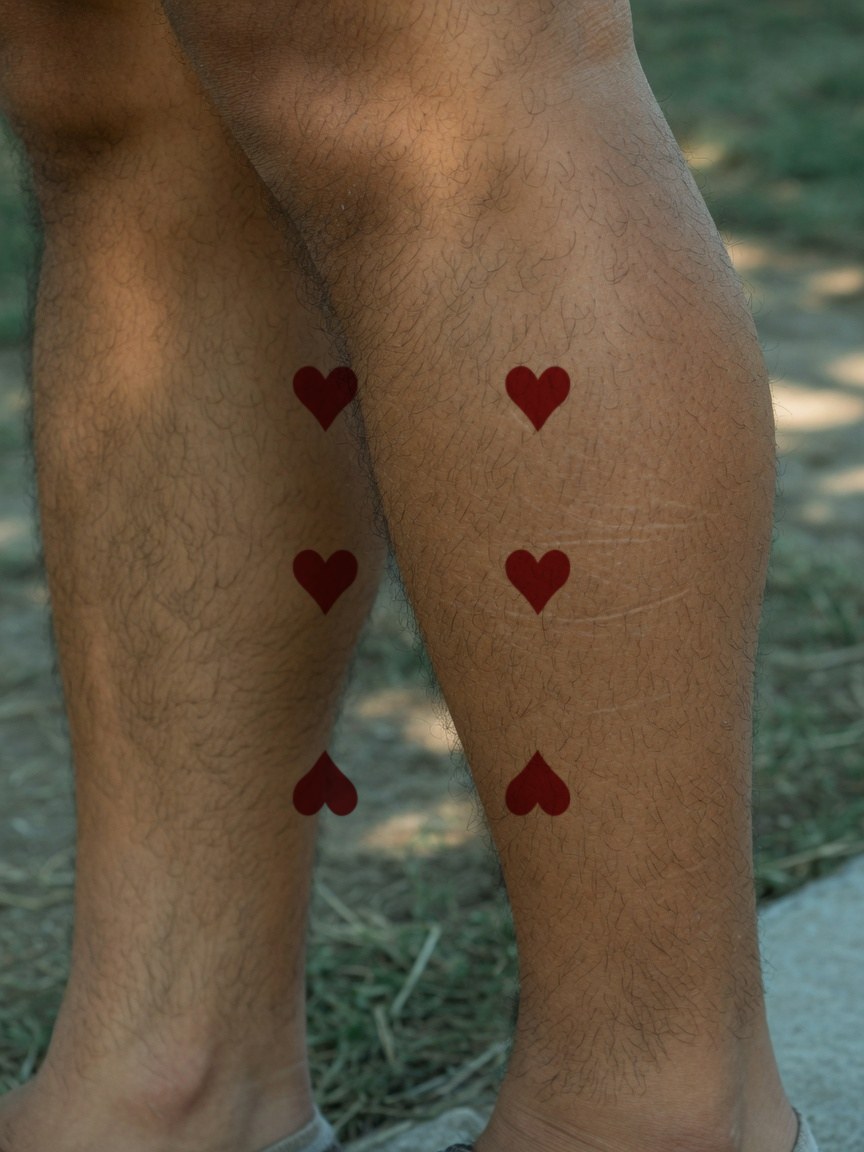
6 of Hearts
calf
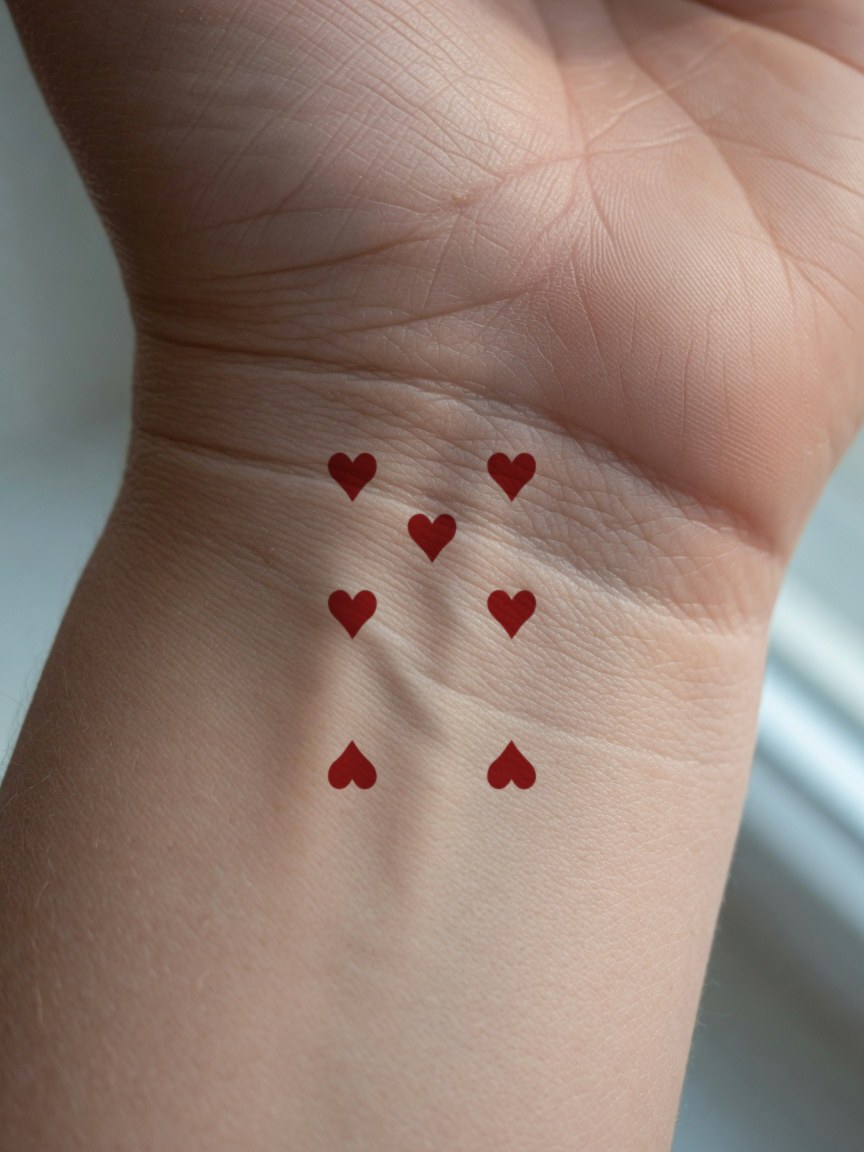
7 of Hearts
inner wrist
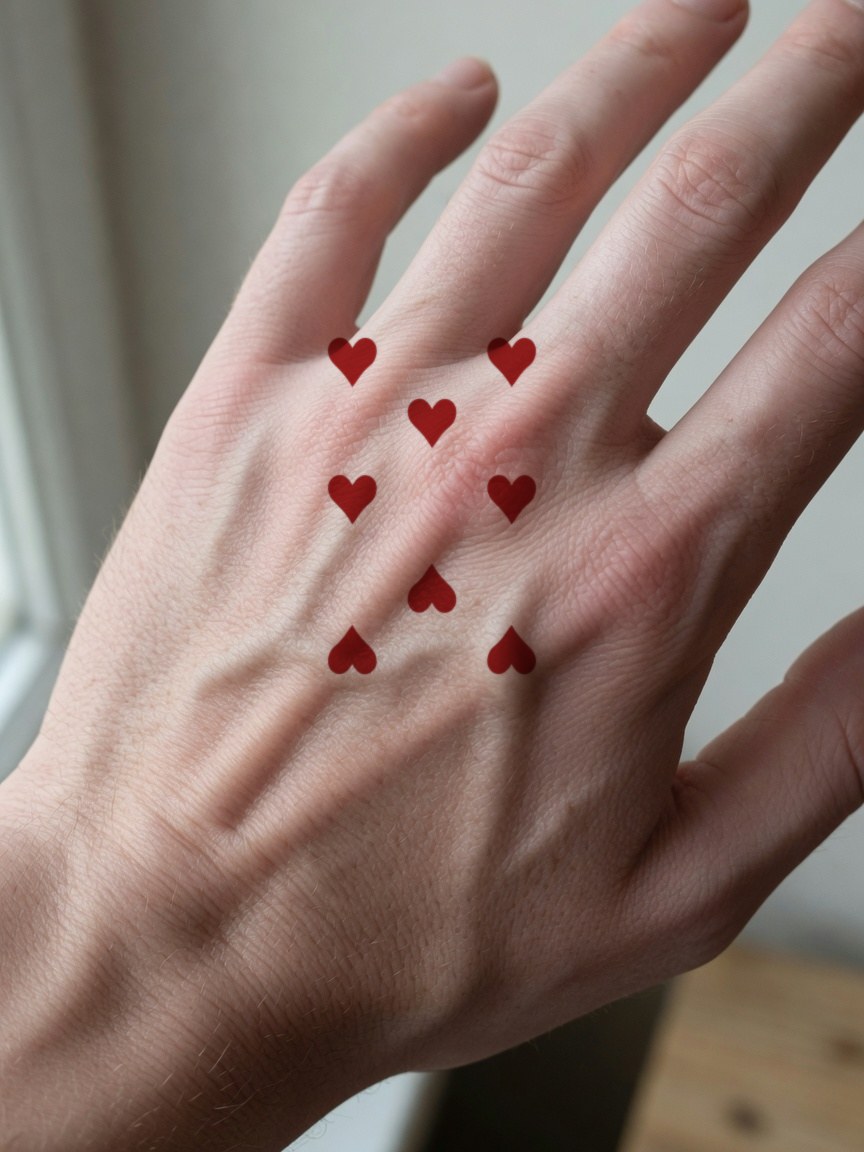
8 of Hearts
back of the hand
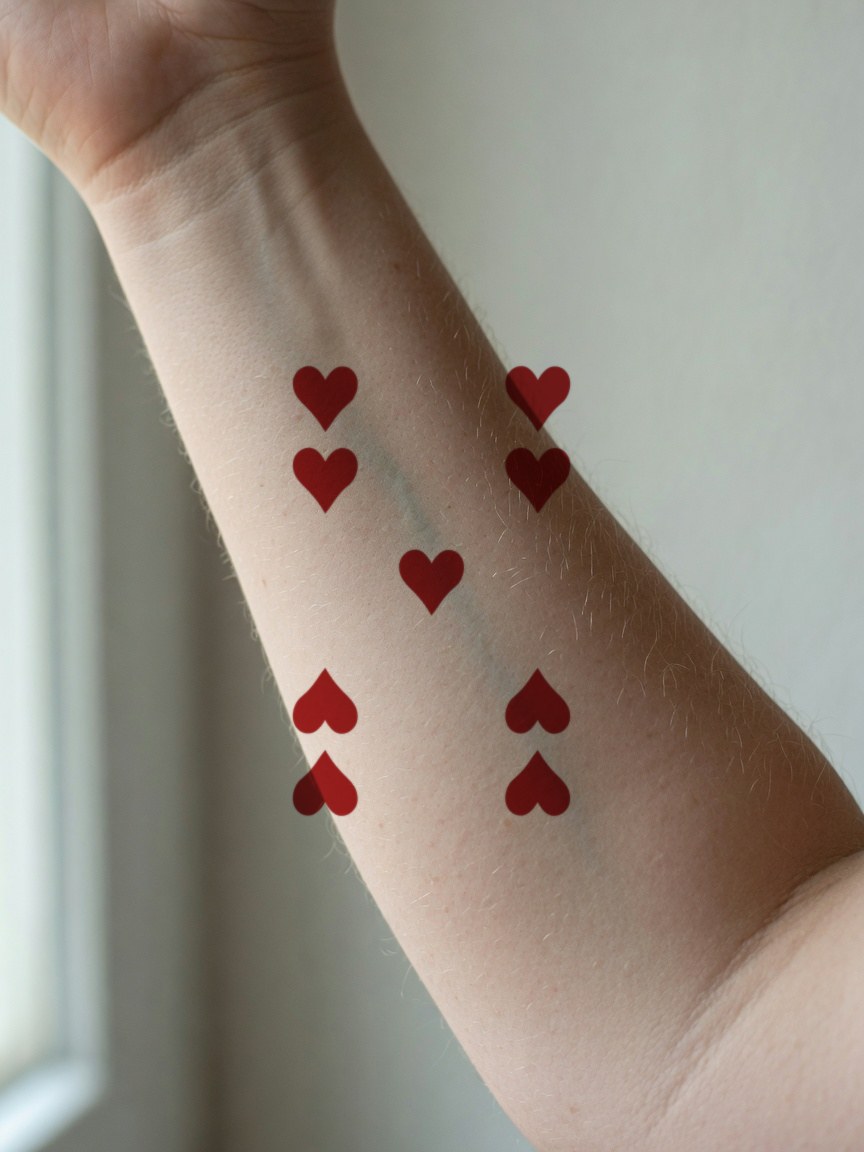
9 of Hearts
inner forearm
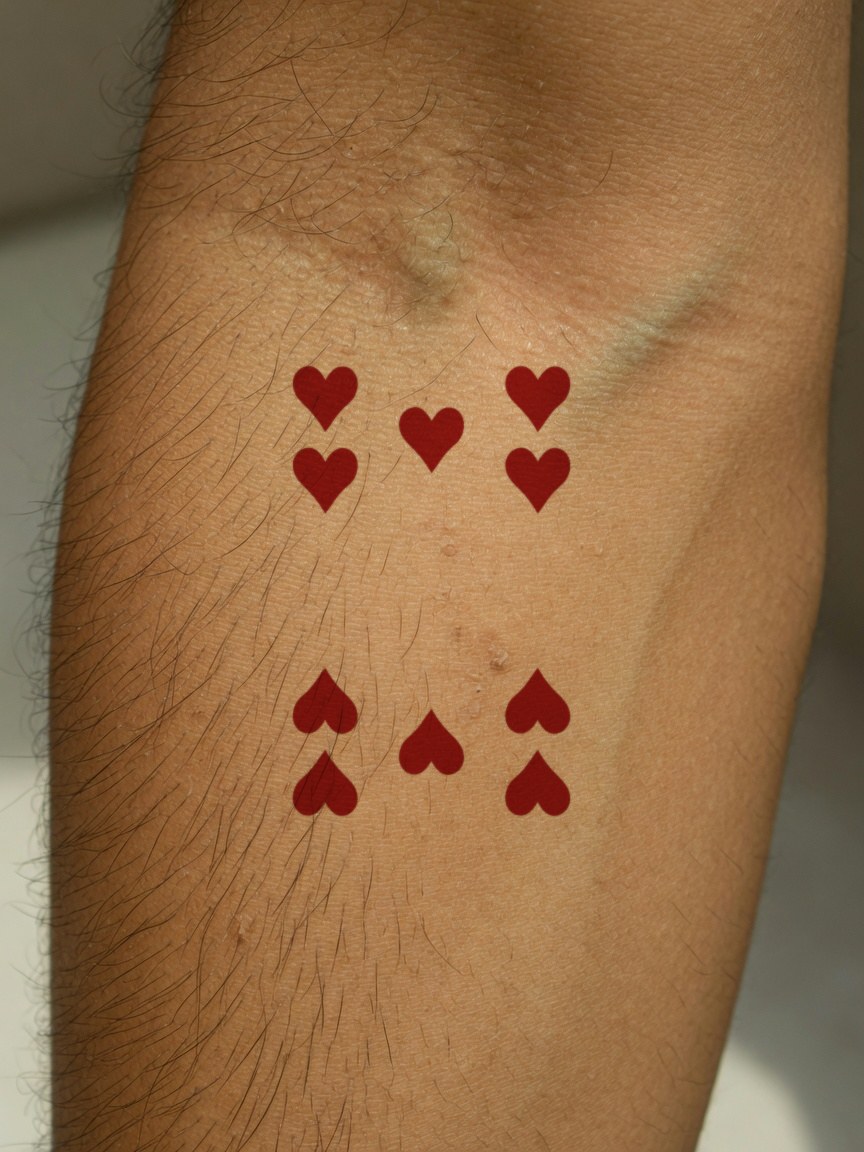
10 of Hearts
outer forearm
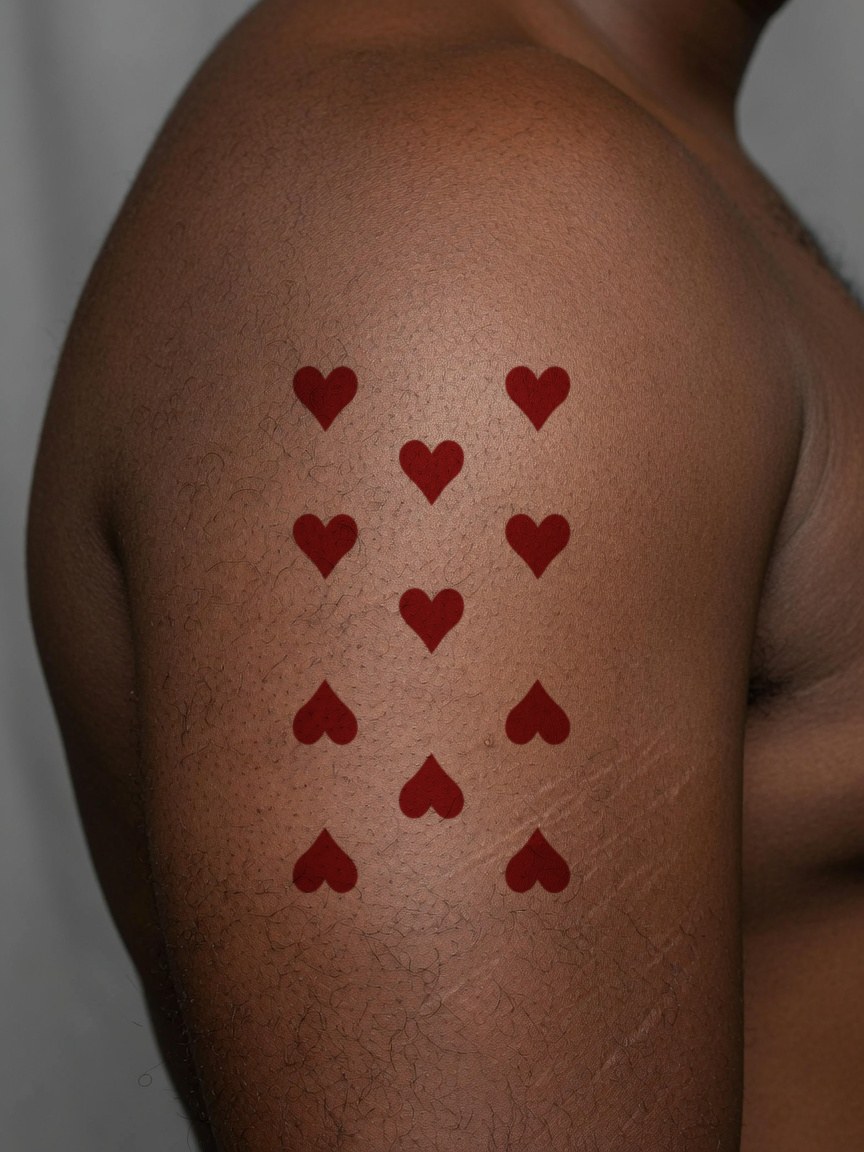
Jack of Hearts
upper arm
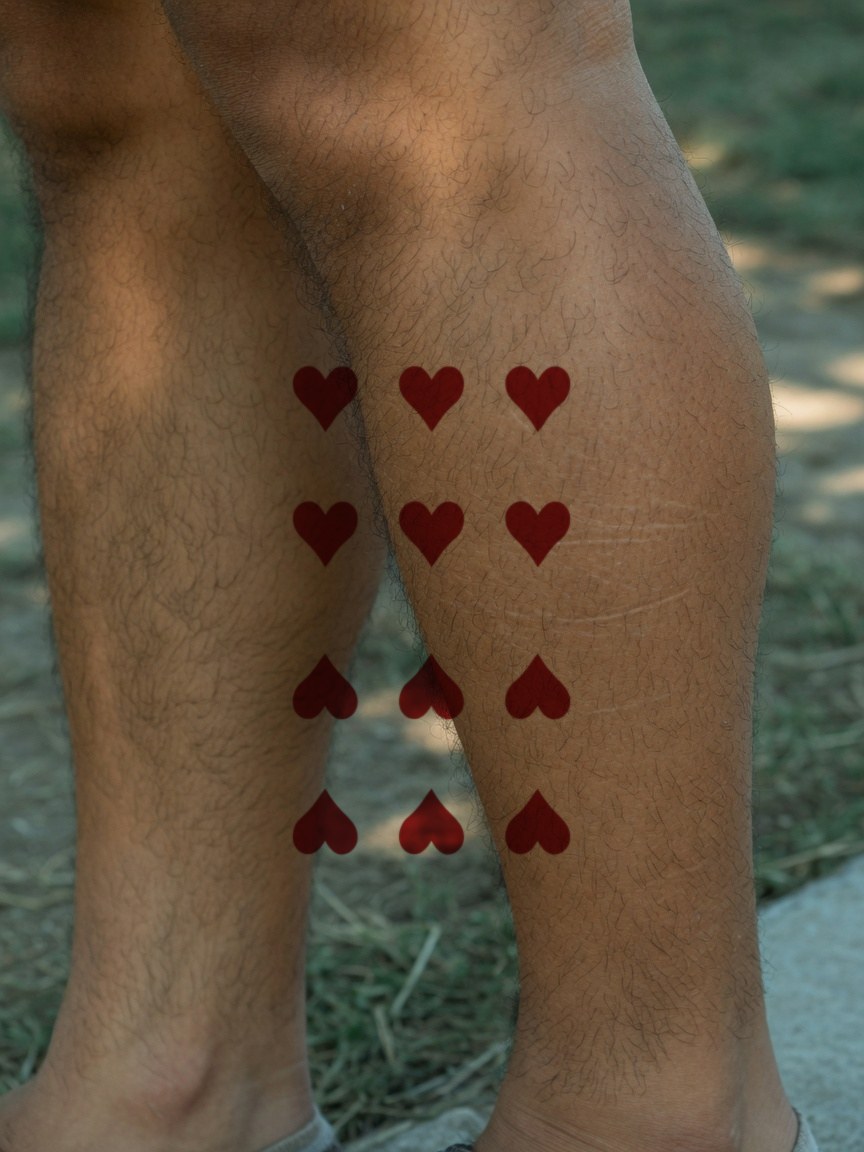
Queen of Hearts
calf
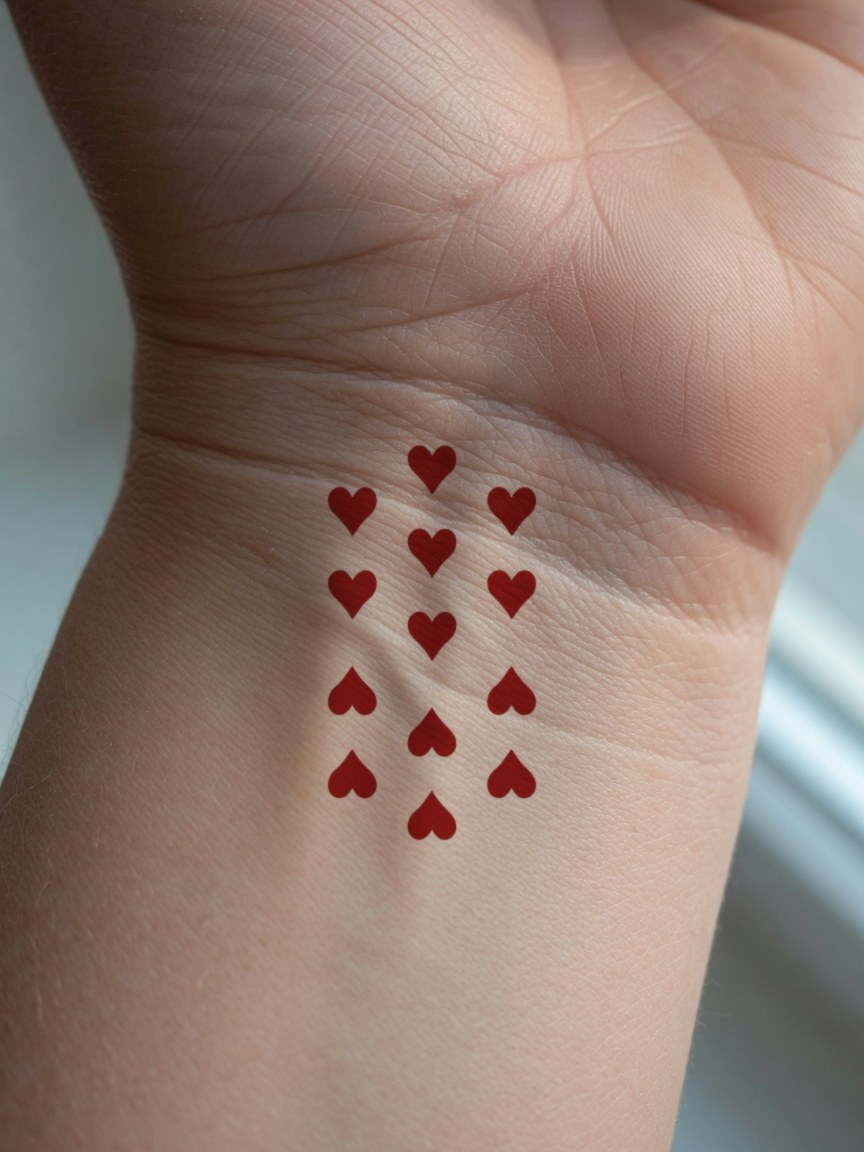
King of Hearts
inner wrist
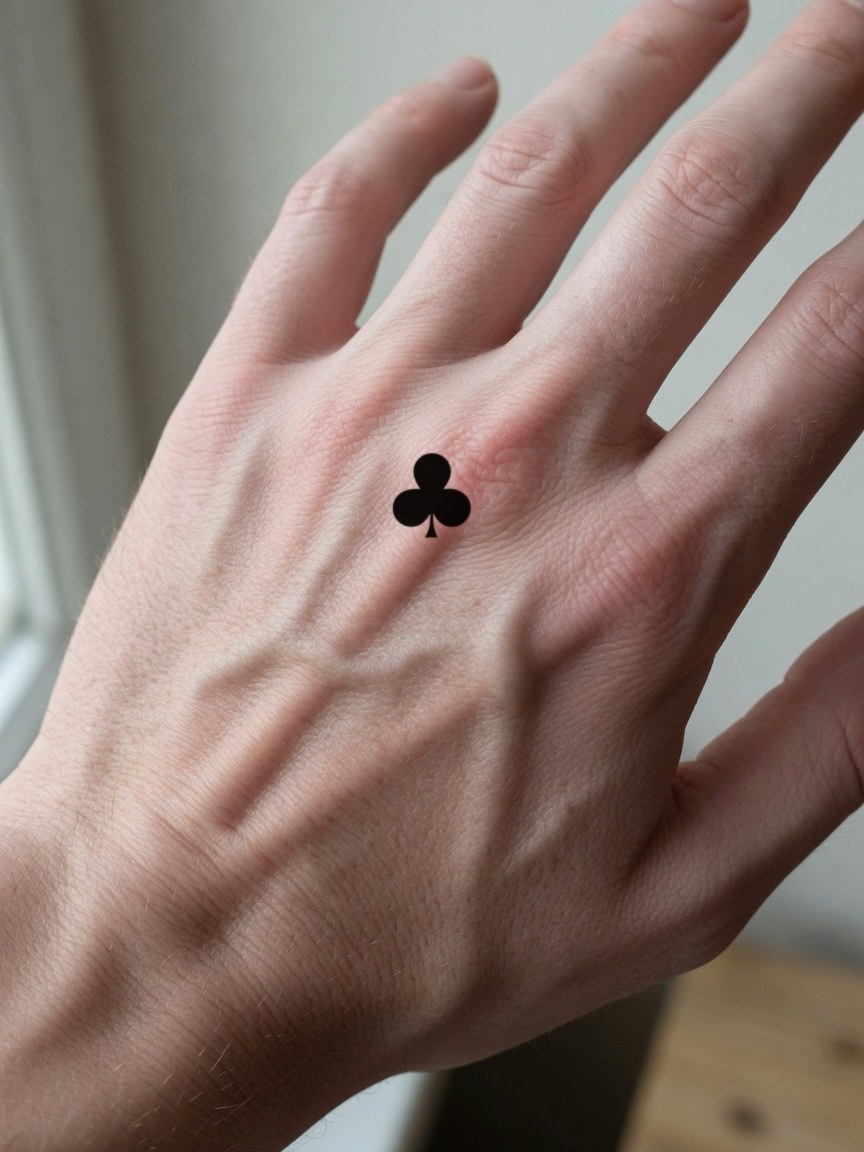
Ace of Clubs
back of the hand
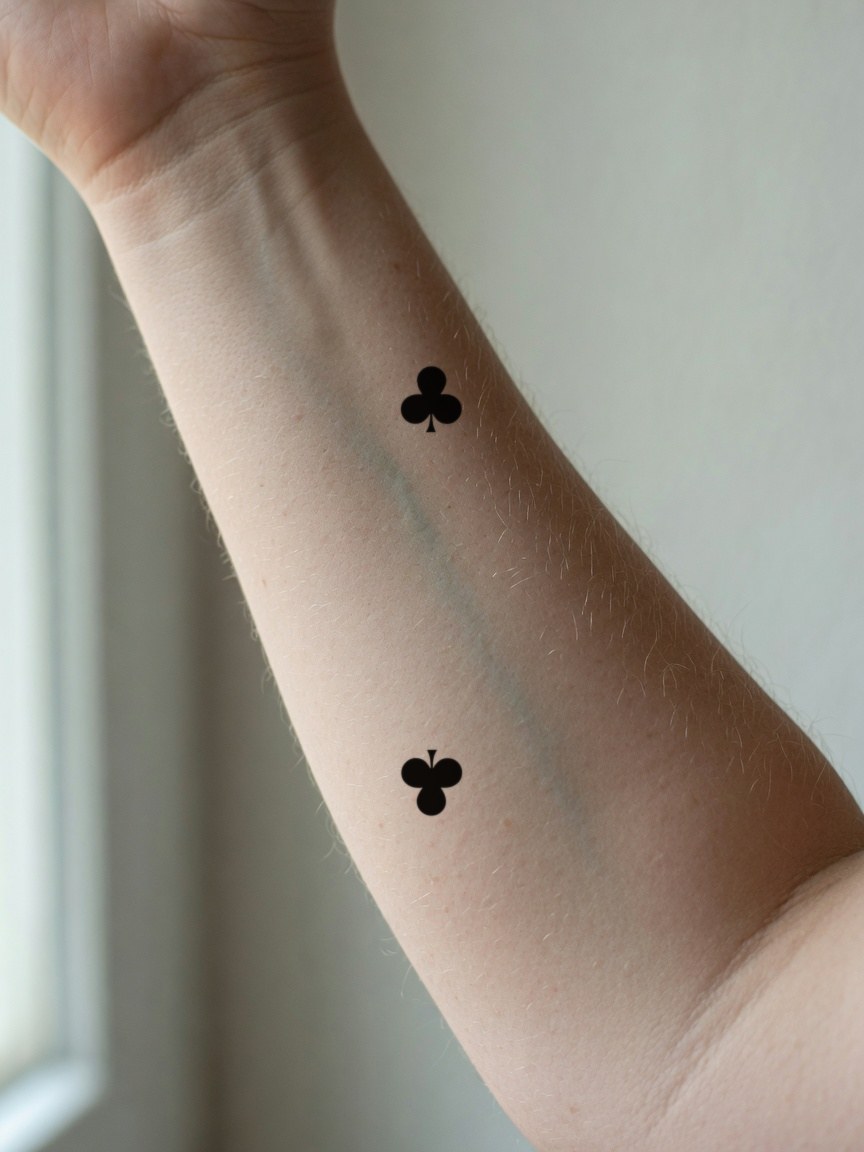
2 of Clubs
inner forearm
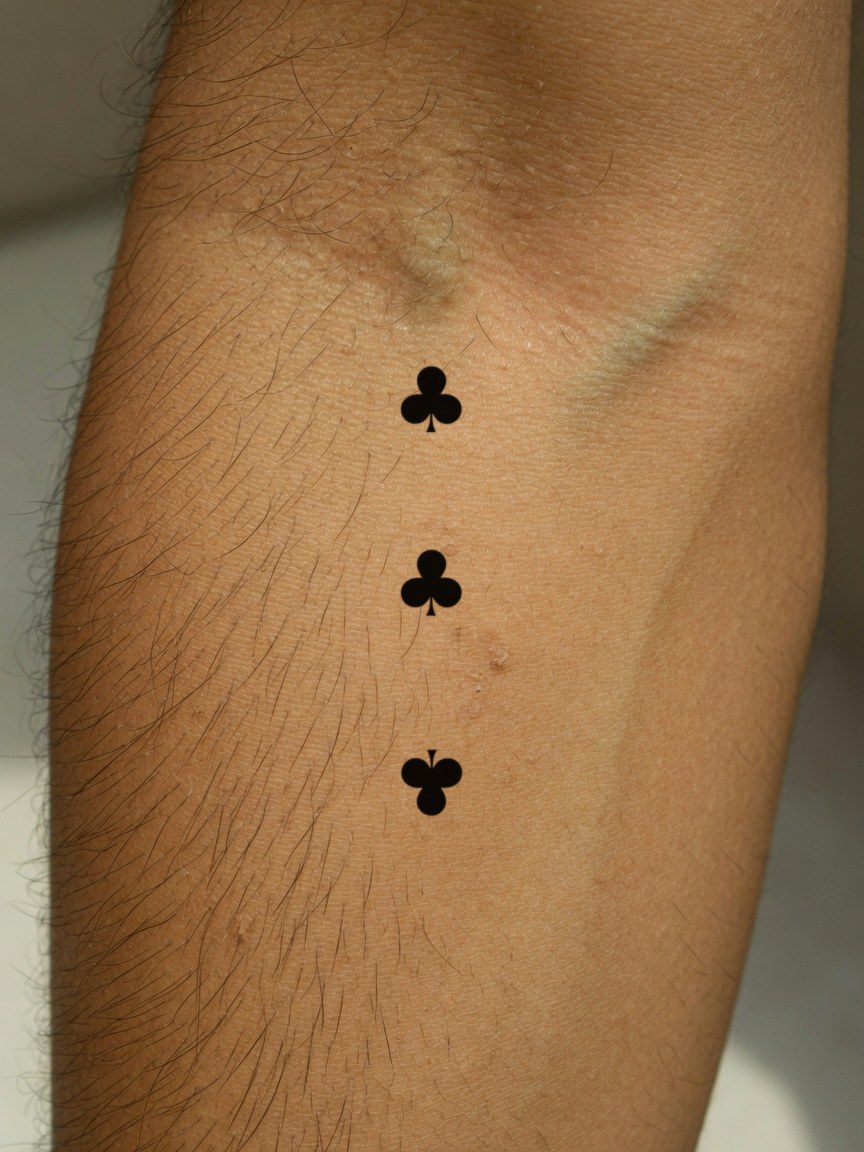
3 of Clubs
outer forearm
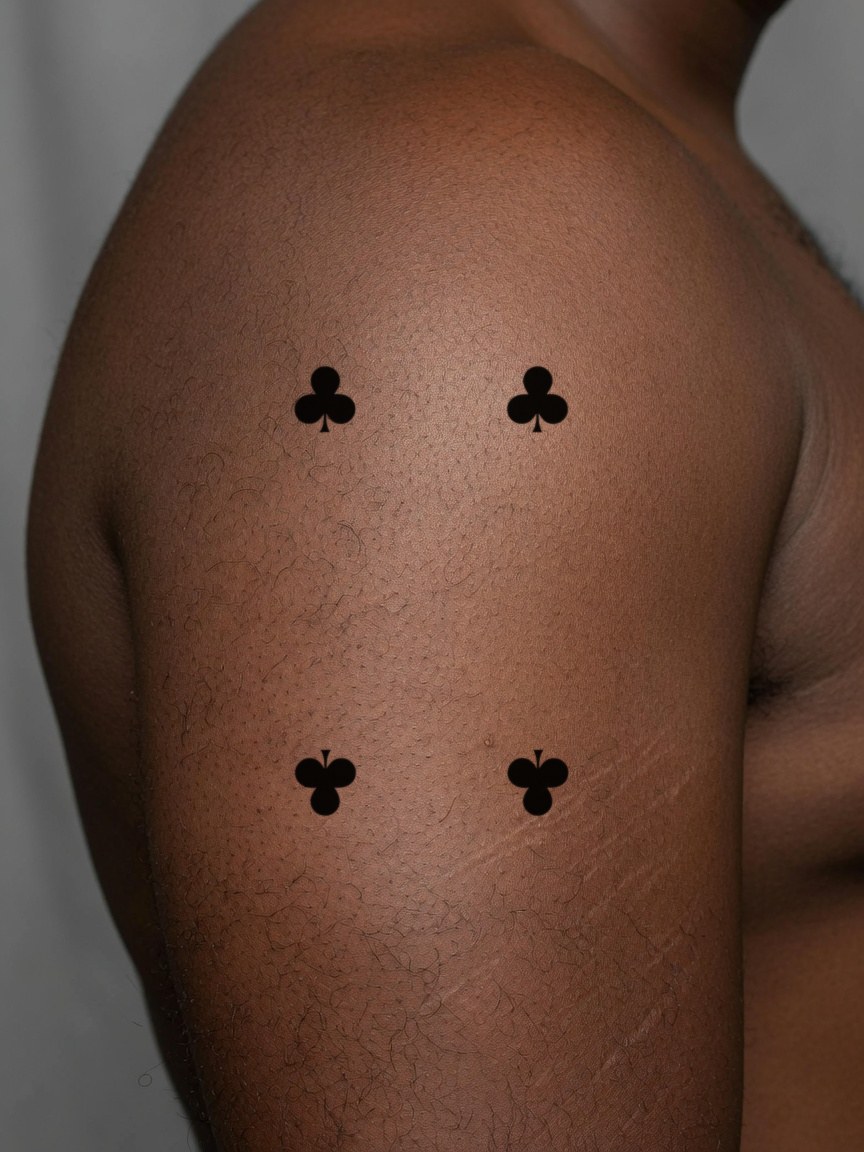
4 of Clubs
upper arm
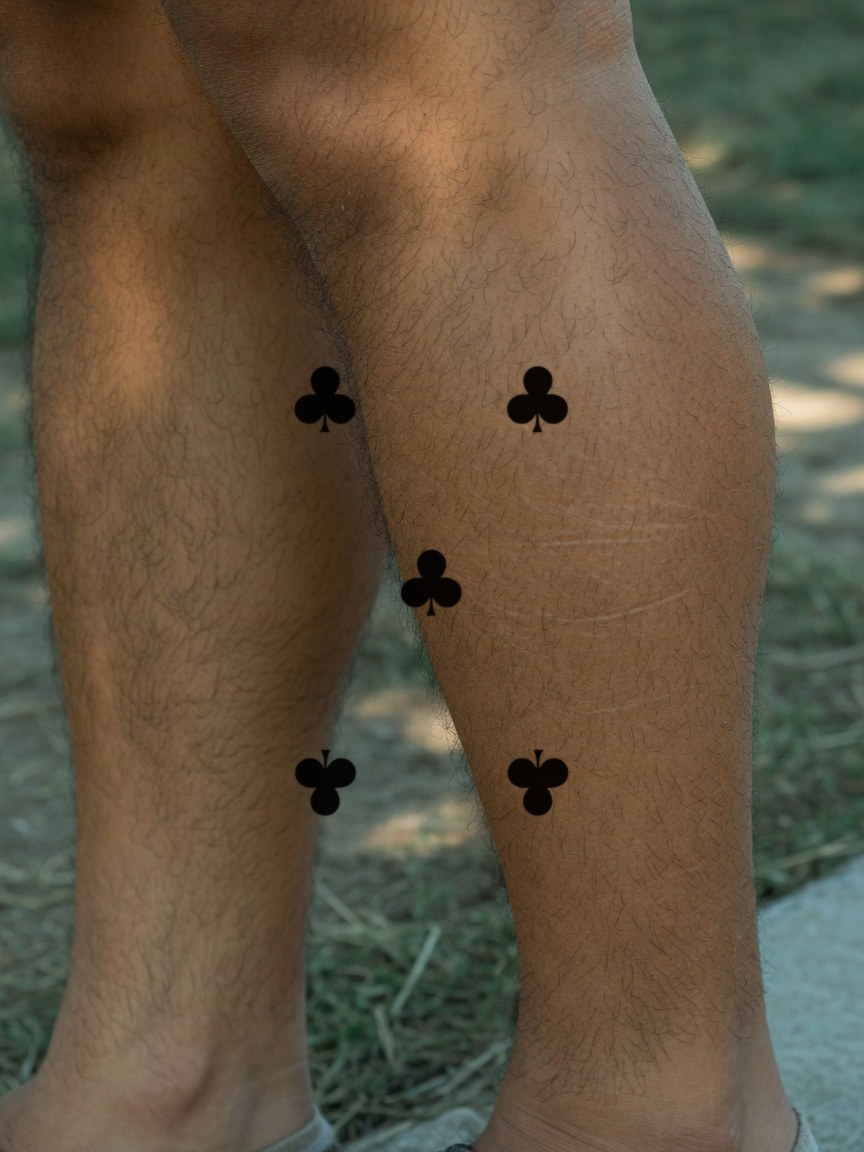
5 of Clubs
calf
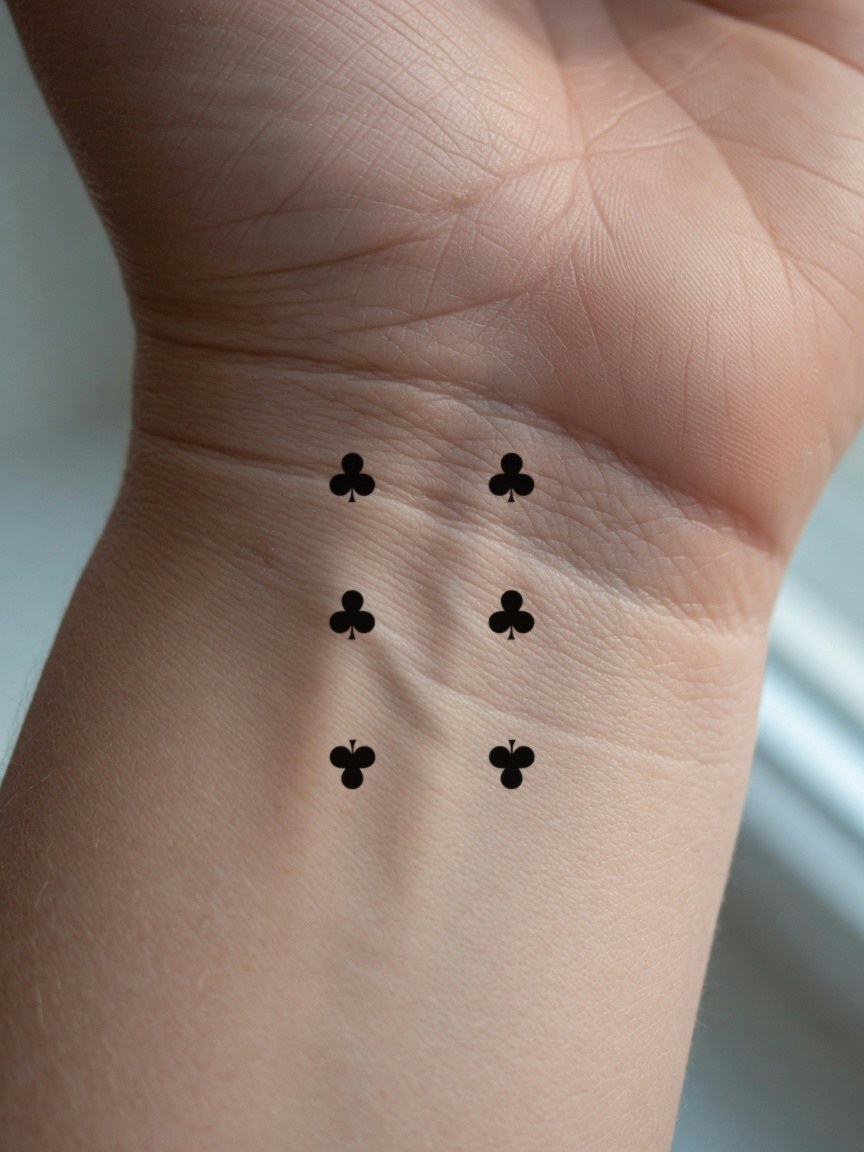
6 of Clubs
inner wrist
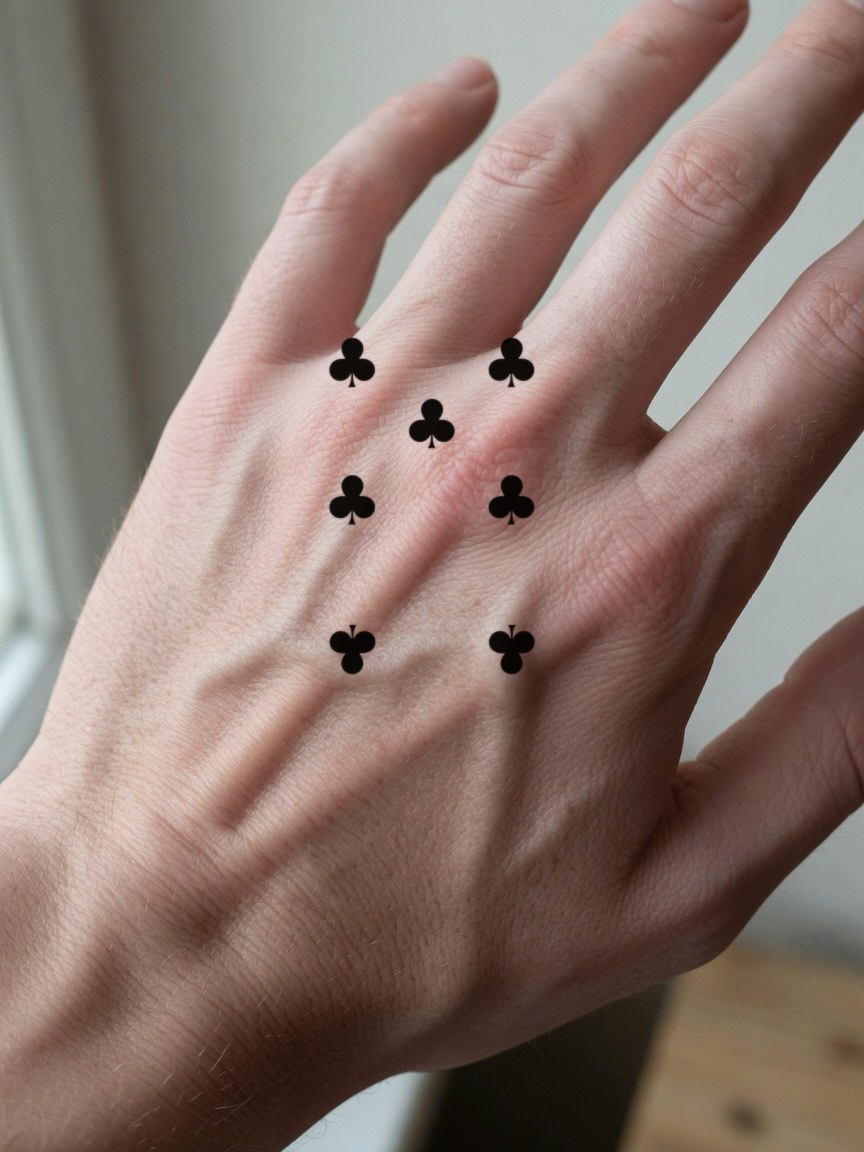
7 of Clubs
back of the hand
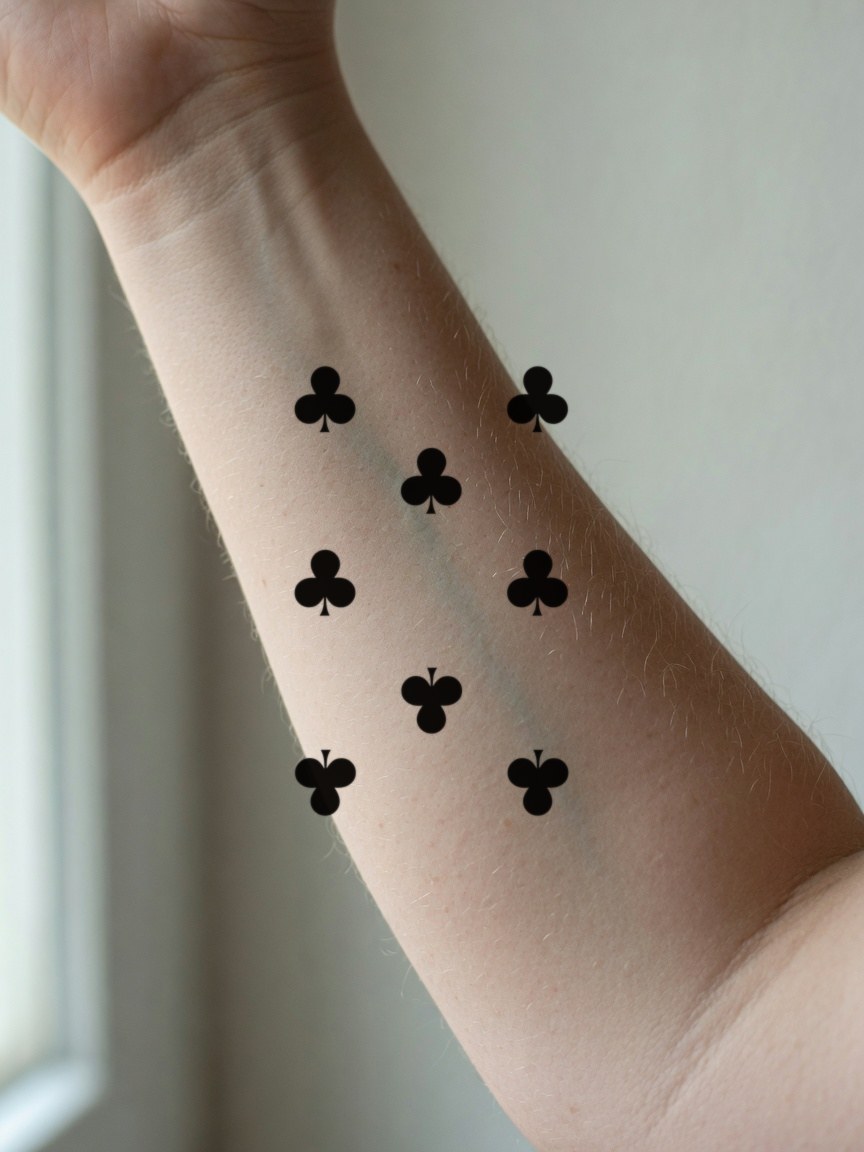
8 of Clubs
inner forearm
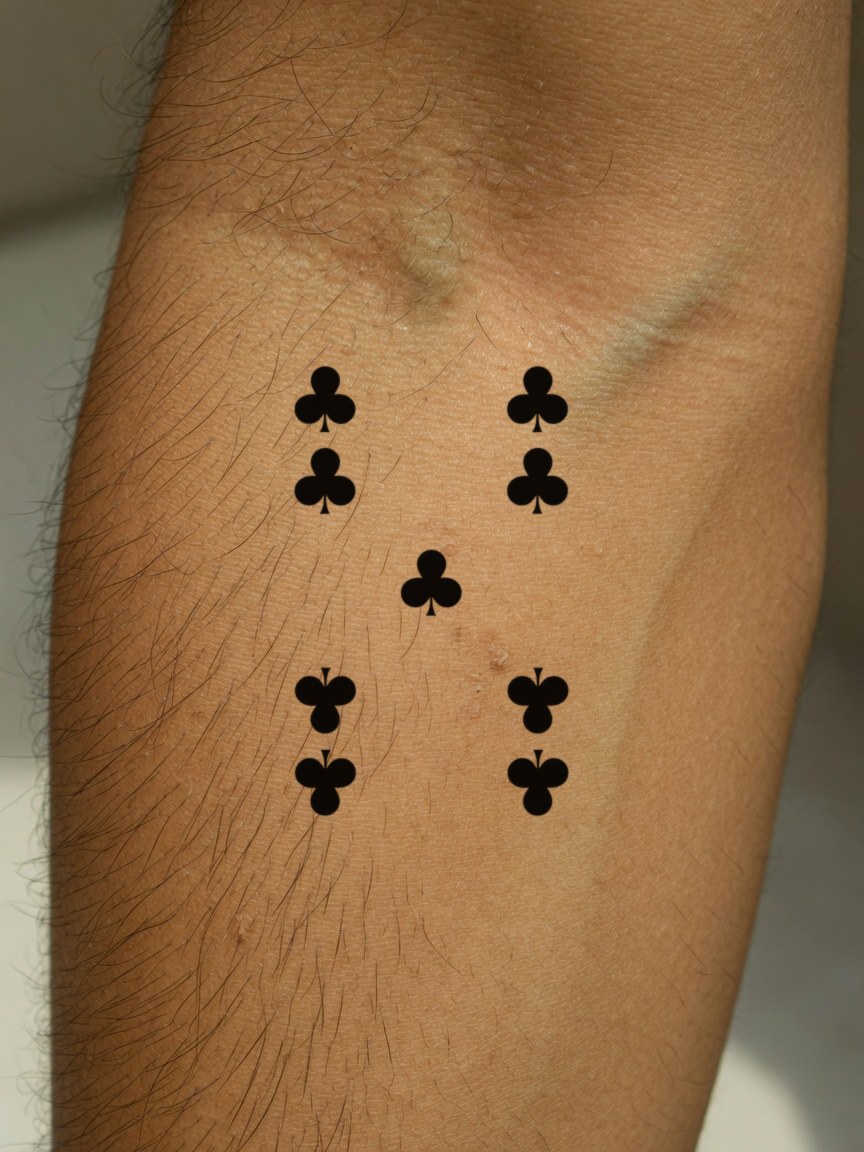
9 of Clubs
outer forearm
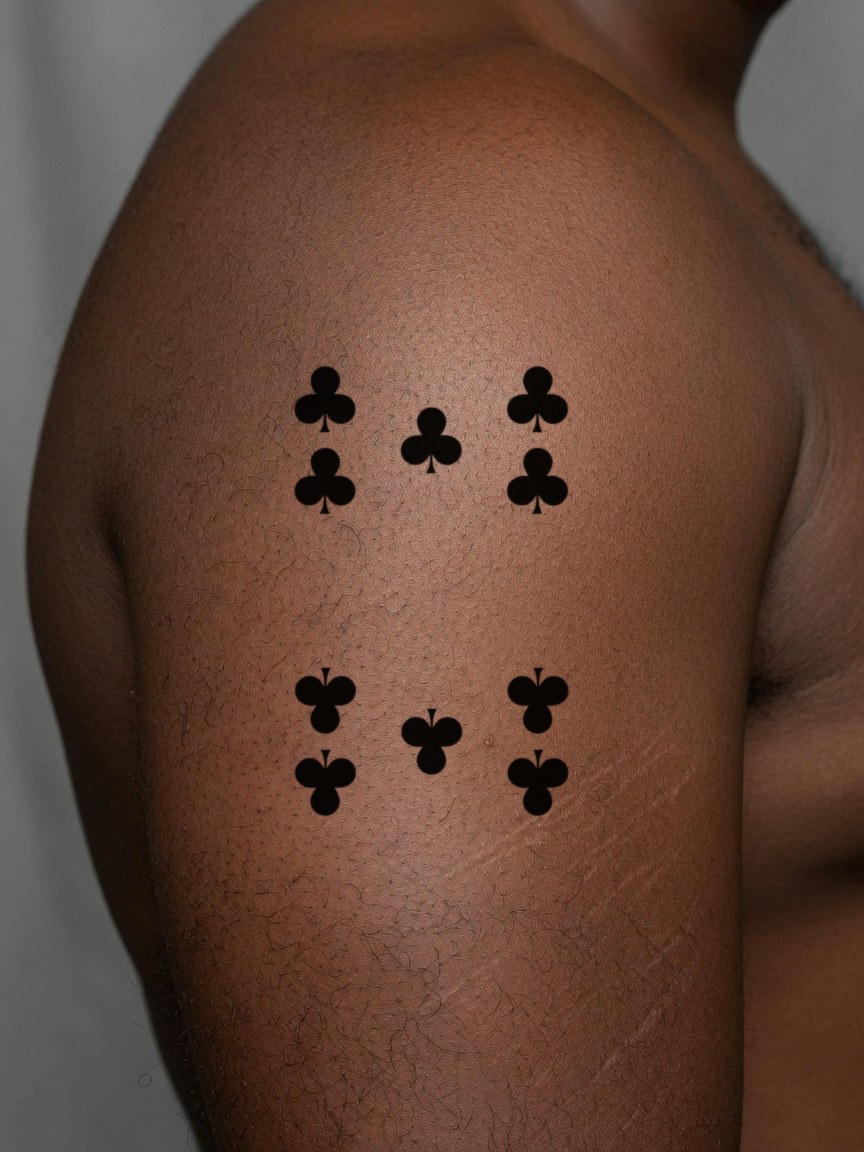
10 of Clubs
upper arm
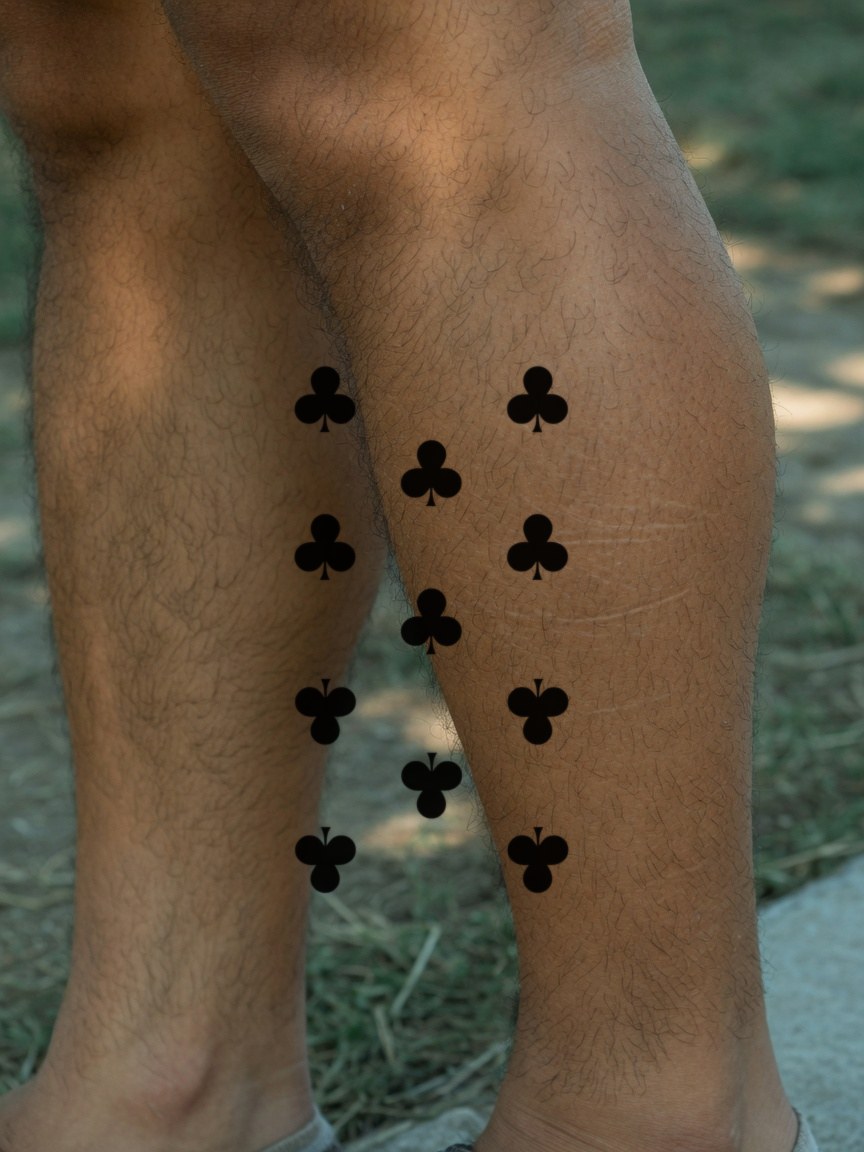
Jack of Clubs
calf
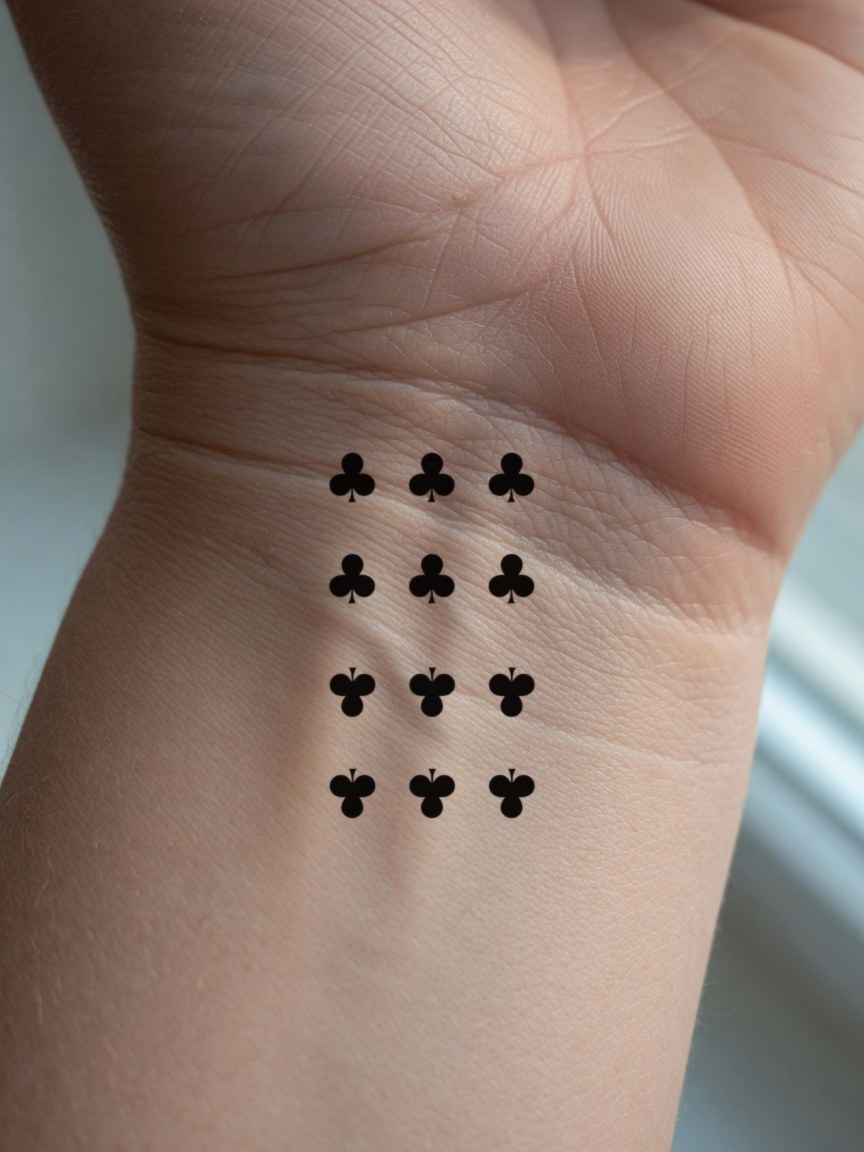
Queen of Clubs
inner wrist
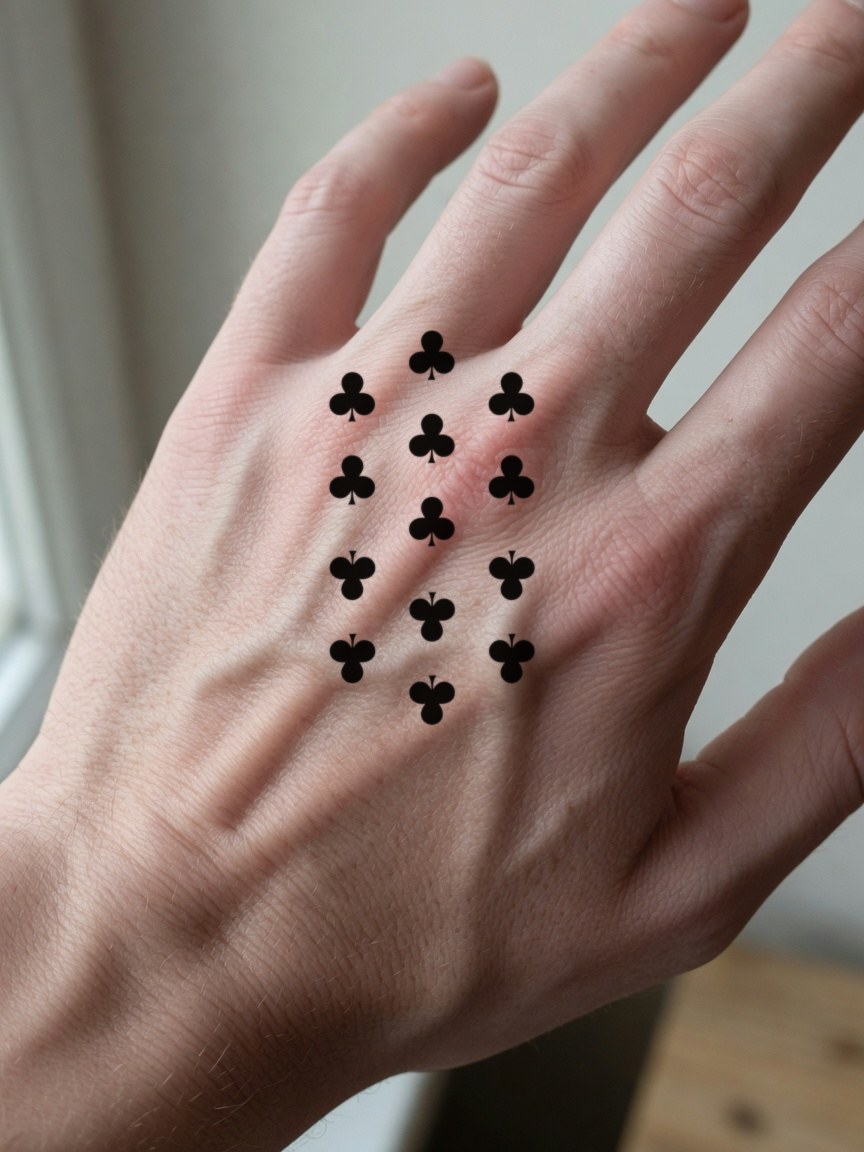
King of Clubs
back of the hand
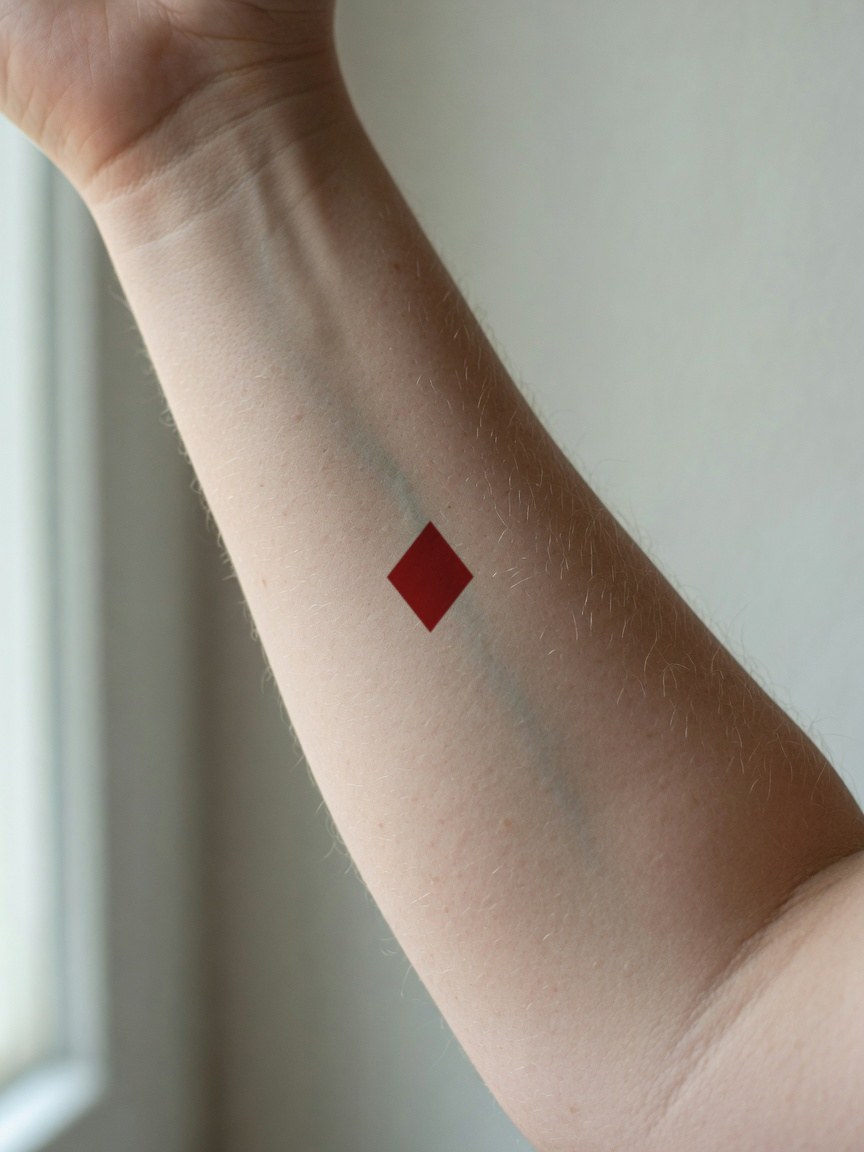
Ace of Diamonds
inner forearm
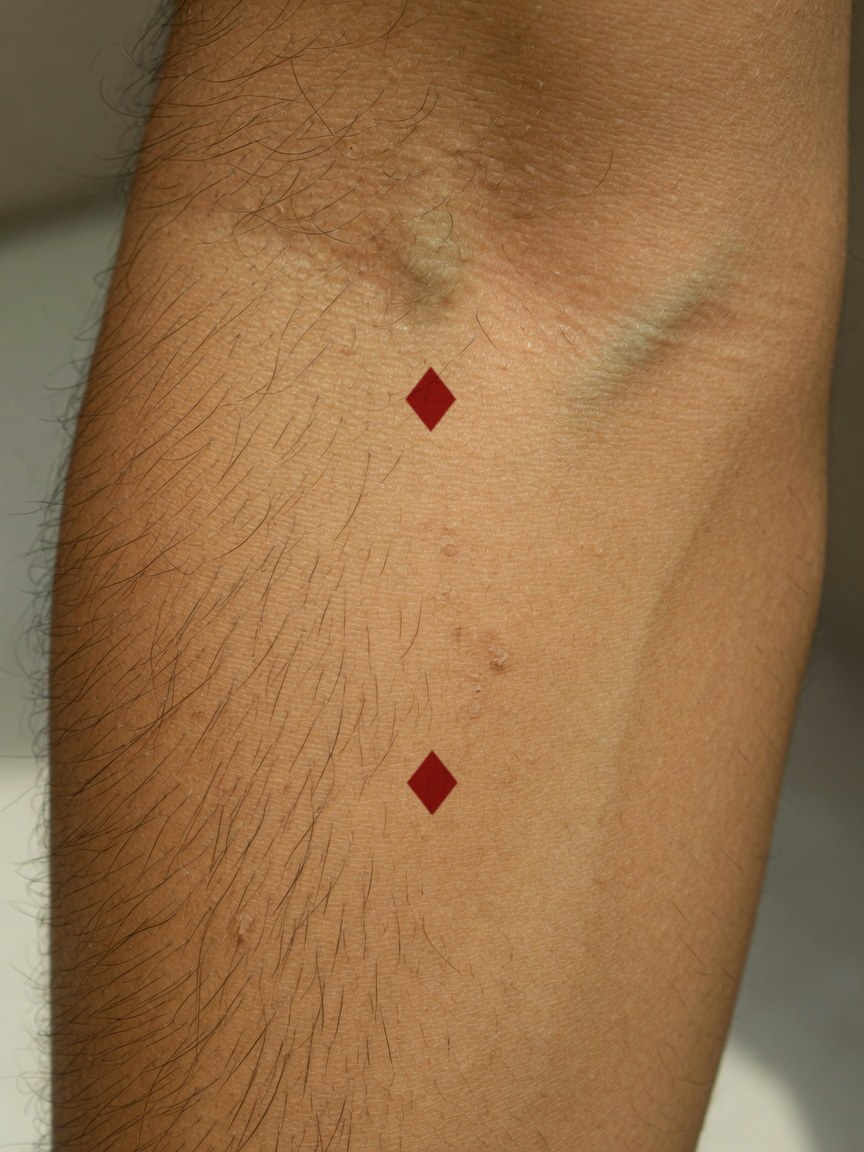
2 of Diamonds
outer forearm
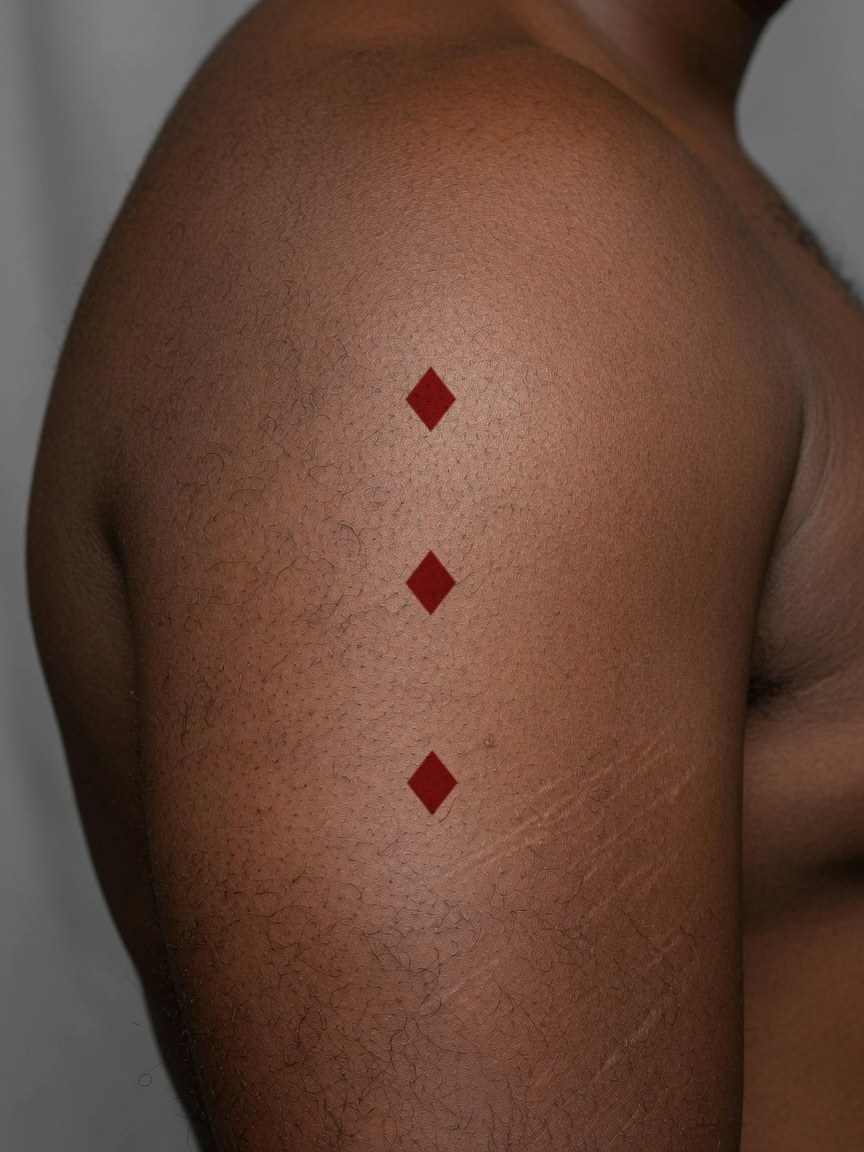
3 of Diamonds
upper arm
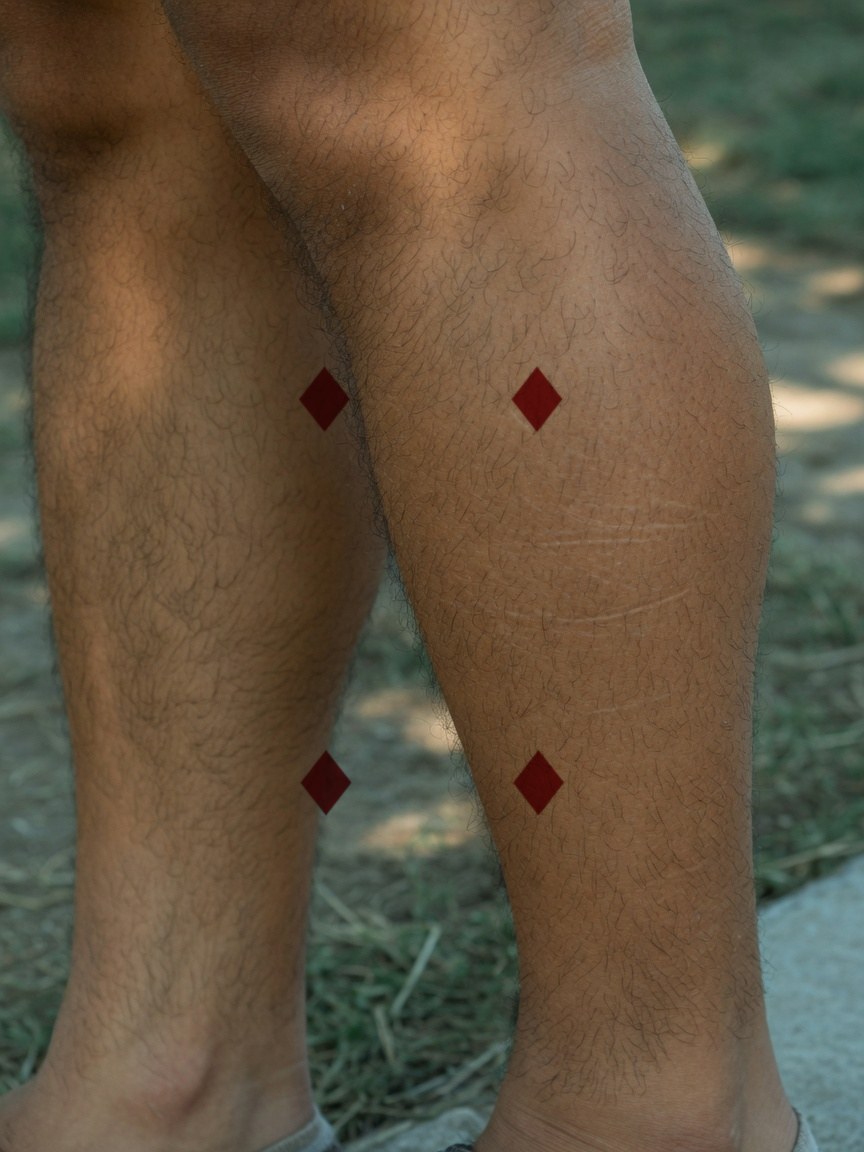
4 of Diamonds
calf
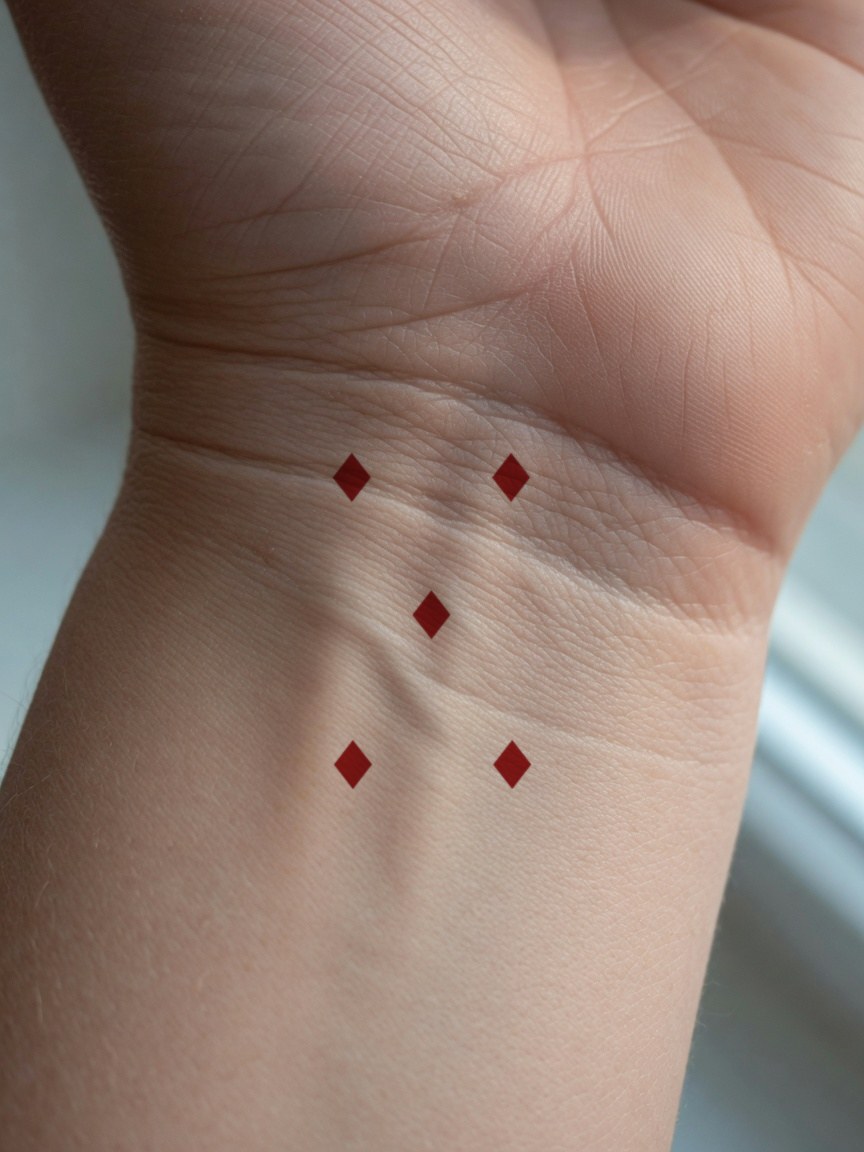
5 of Diamonds
inner wrist
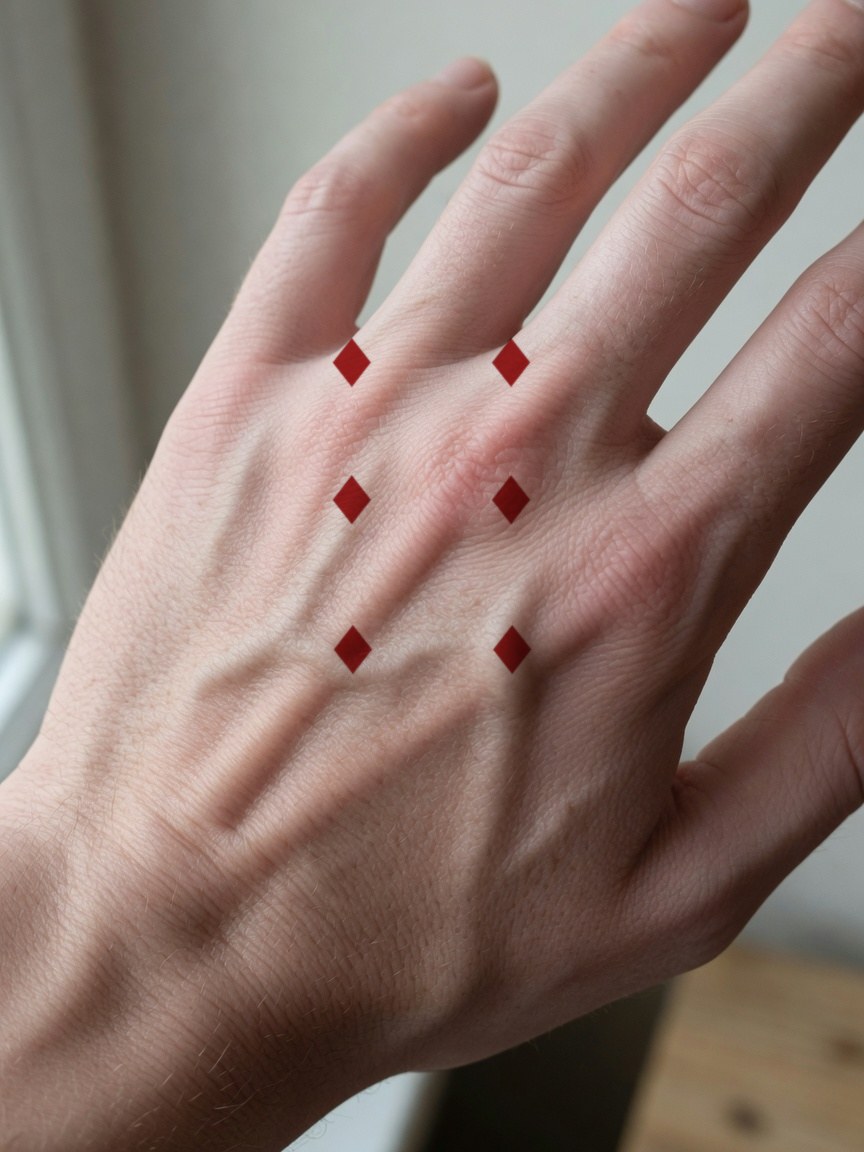
6 of Diamonds
back of the hand
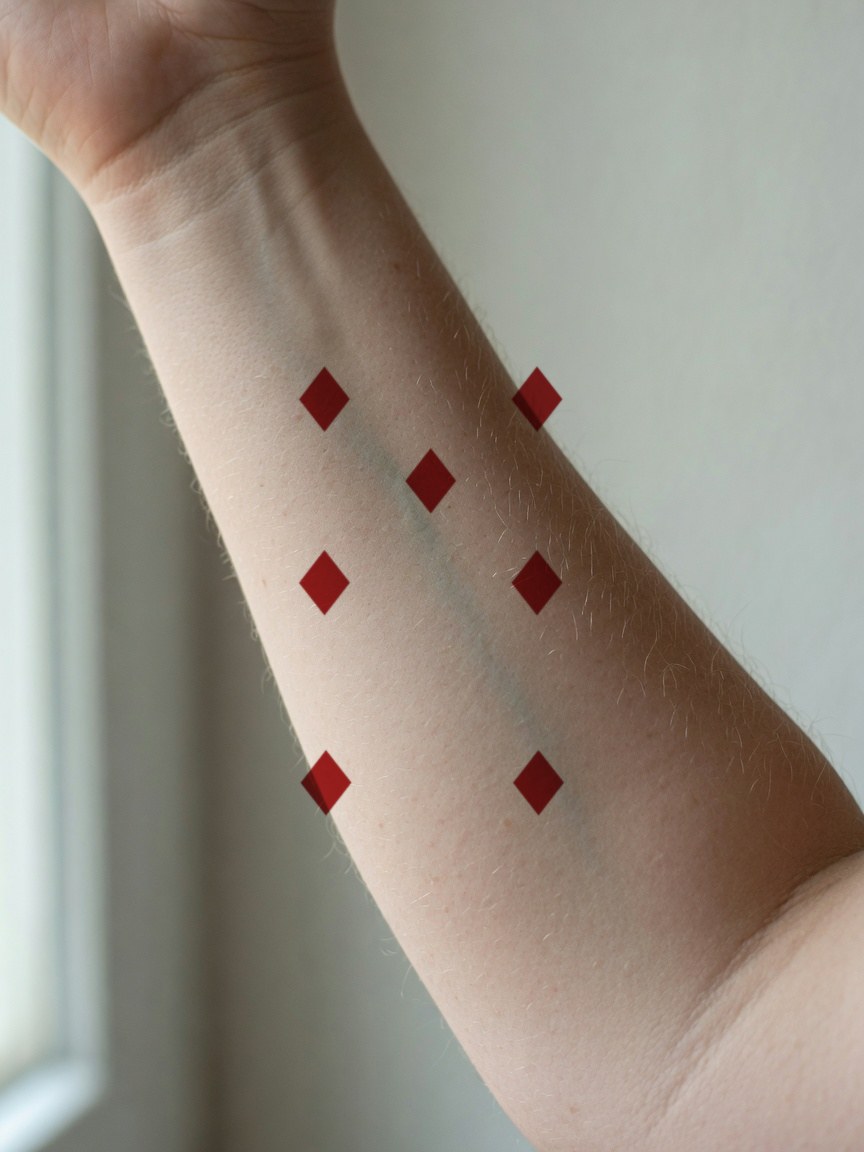
7 of Diamonds
inner forearm
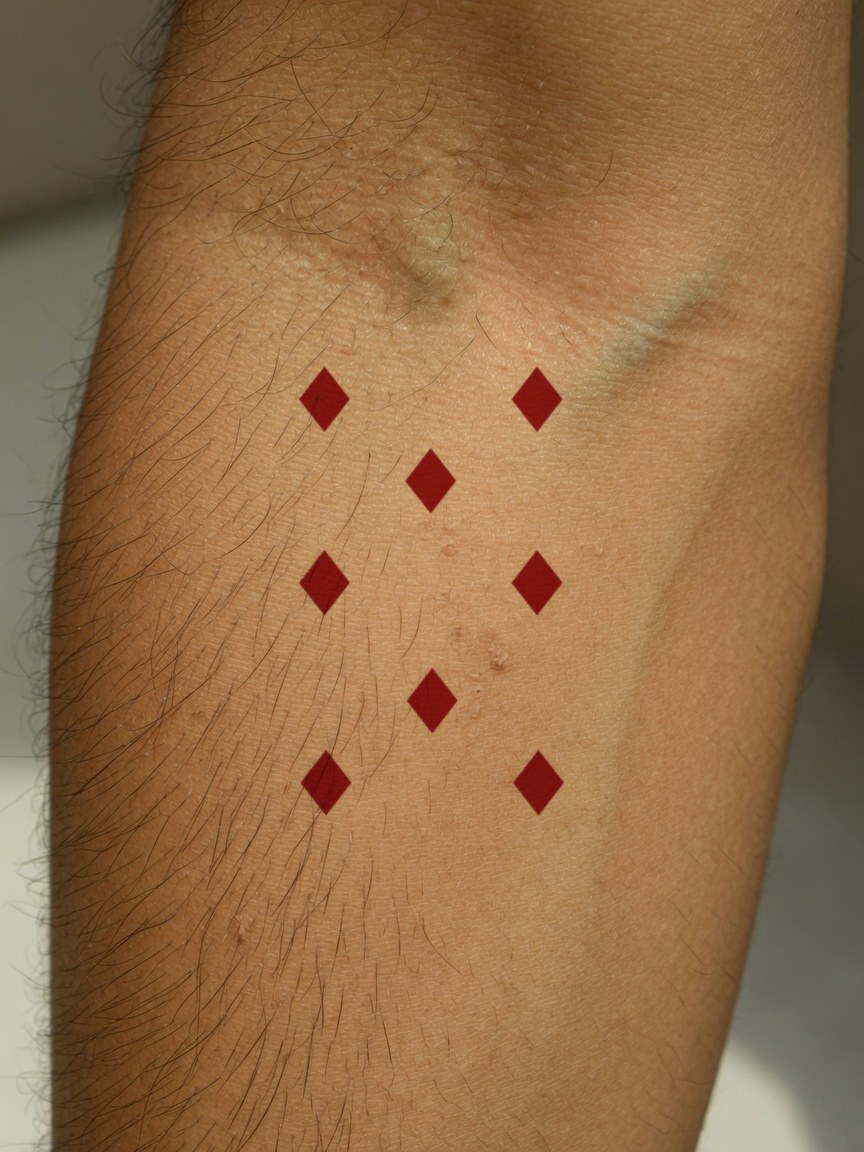
8 of Diamonds
outer forearm
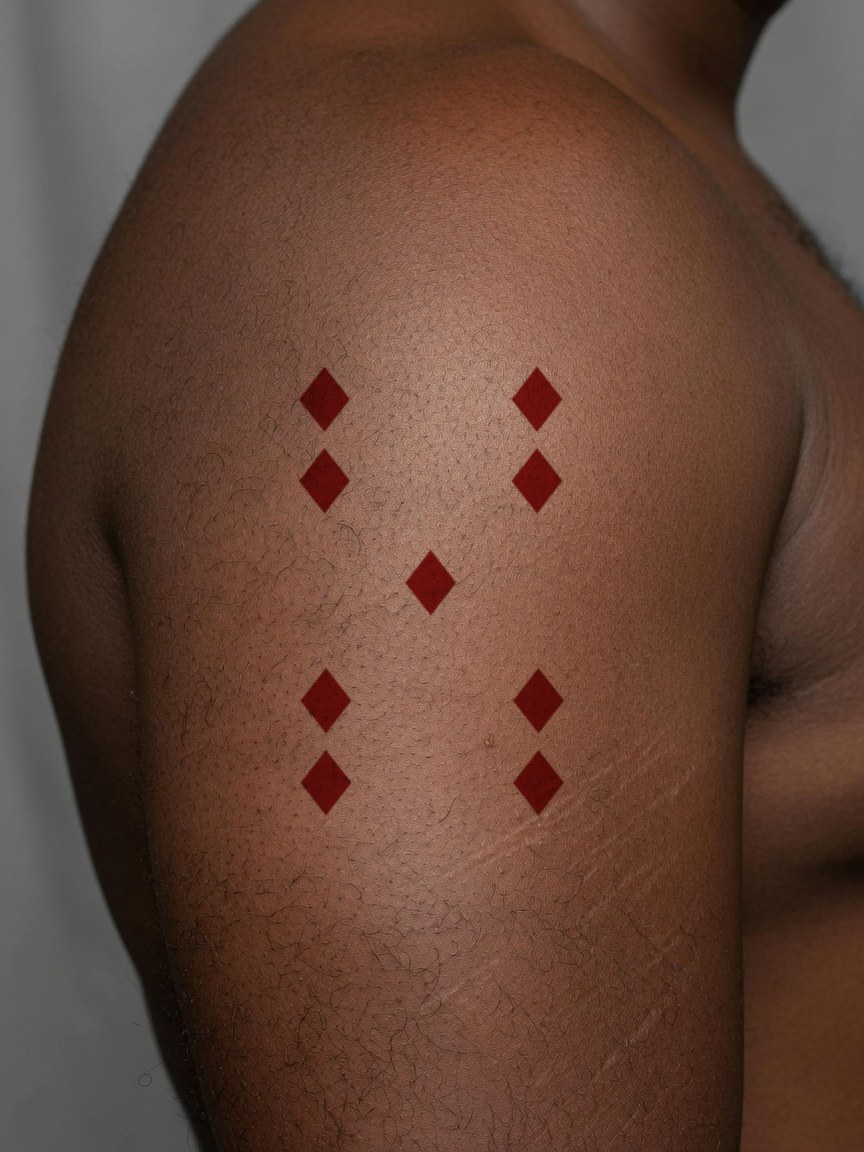
9 of Diamonds
upper arm
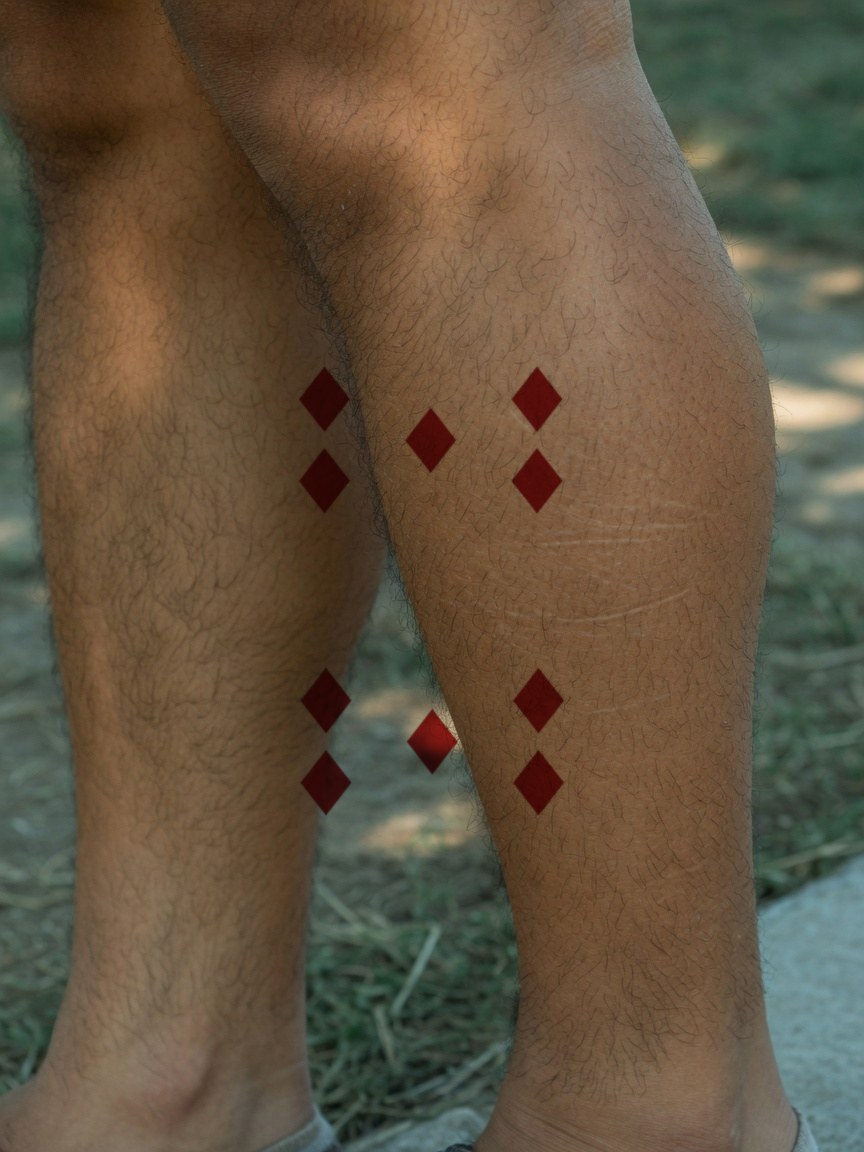
10 of Diamonds
calf
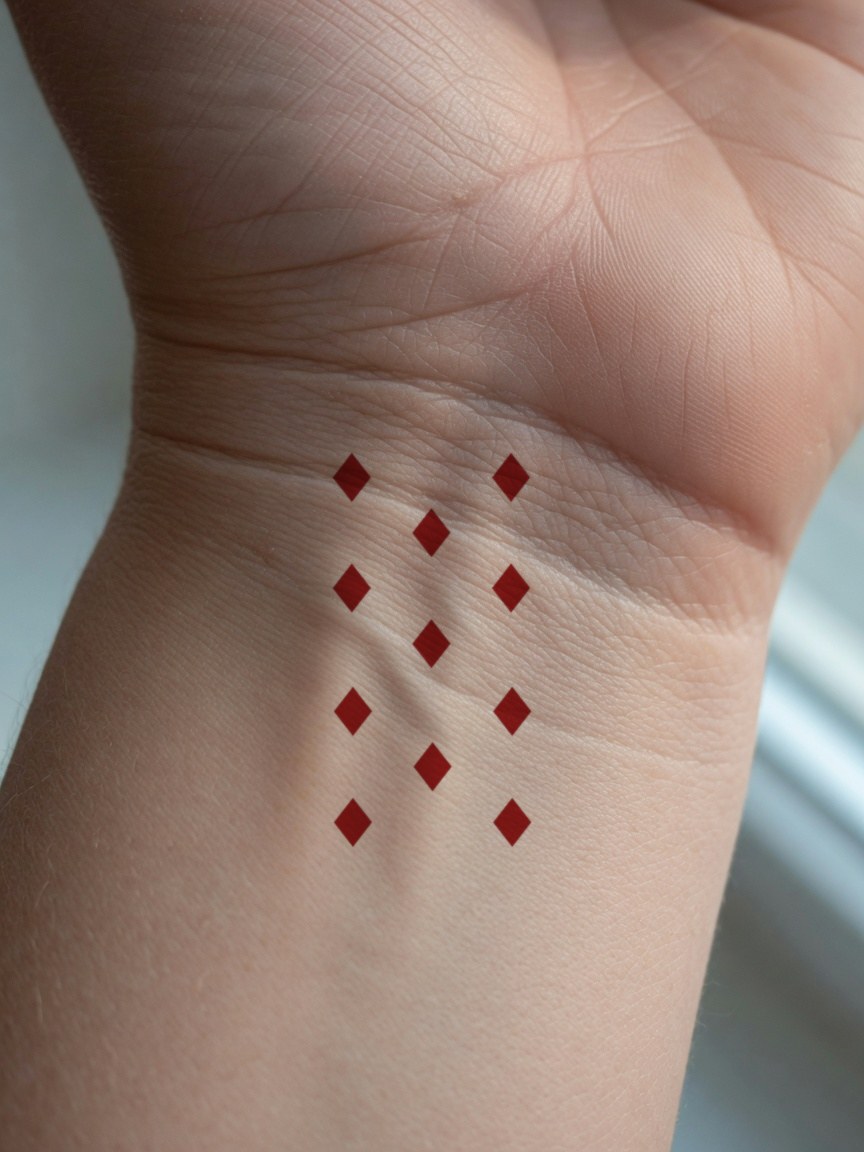
Jack of Diamonds
inner wrist
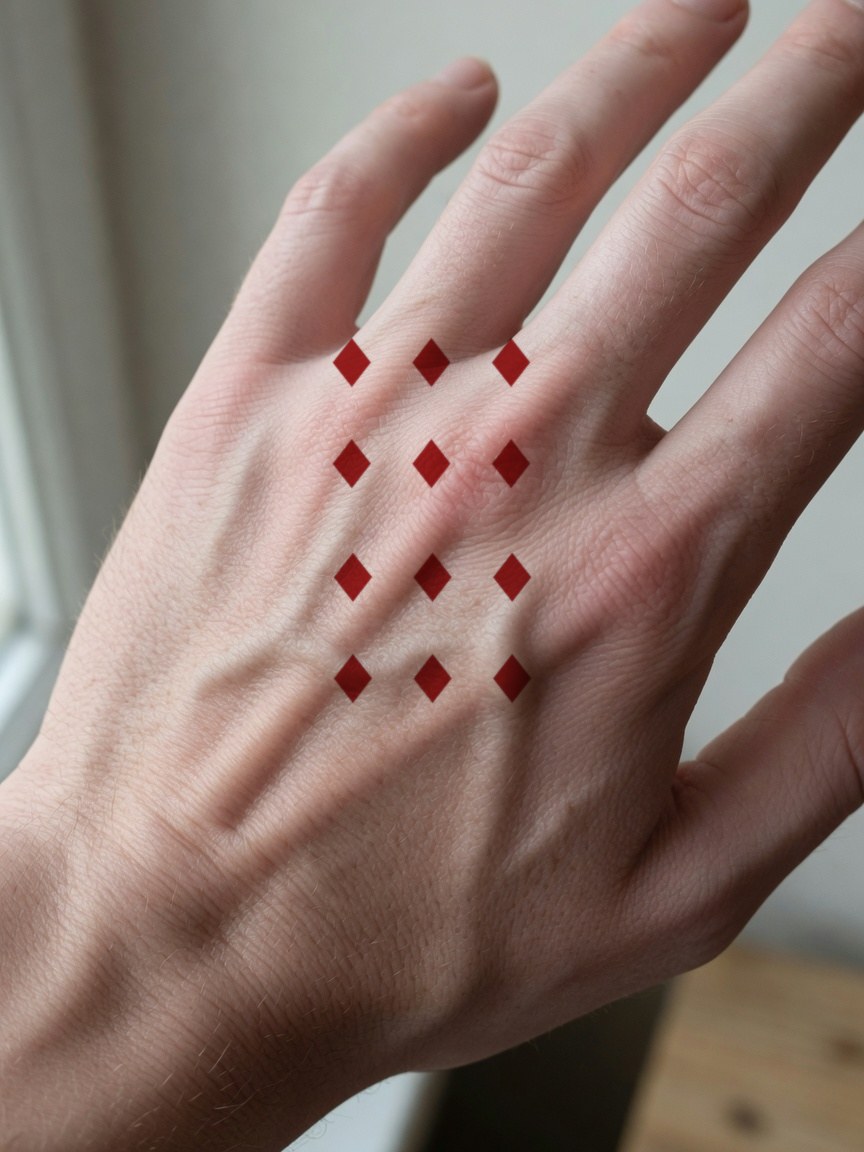
Queen of Diamonds
back of the hand
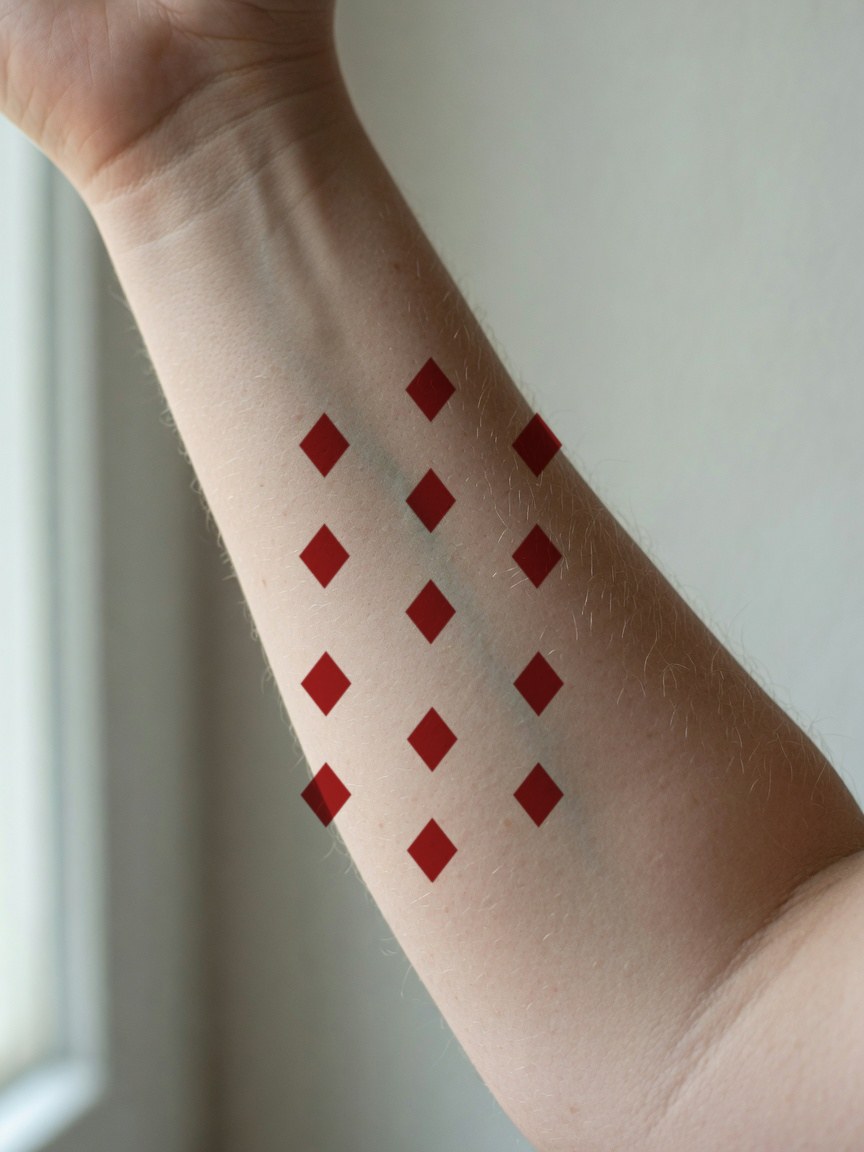
King of Diamonds
inner forearm
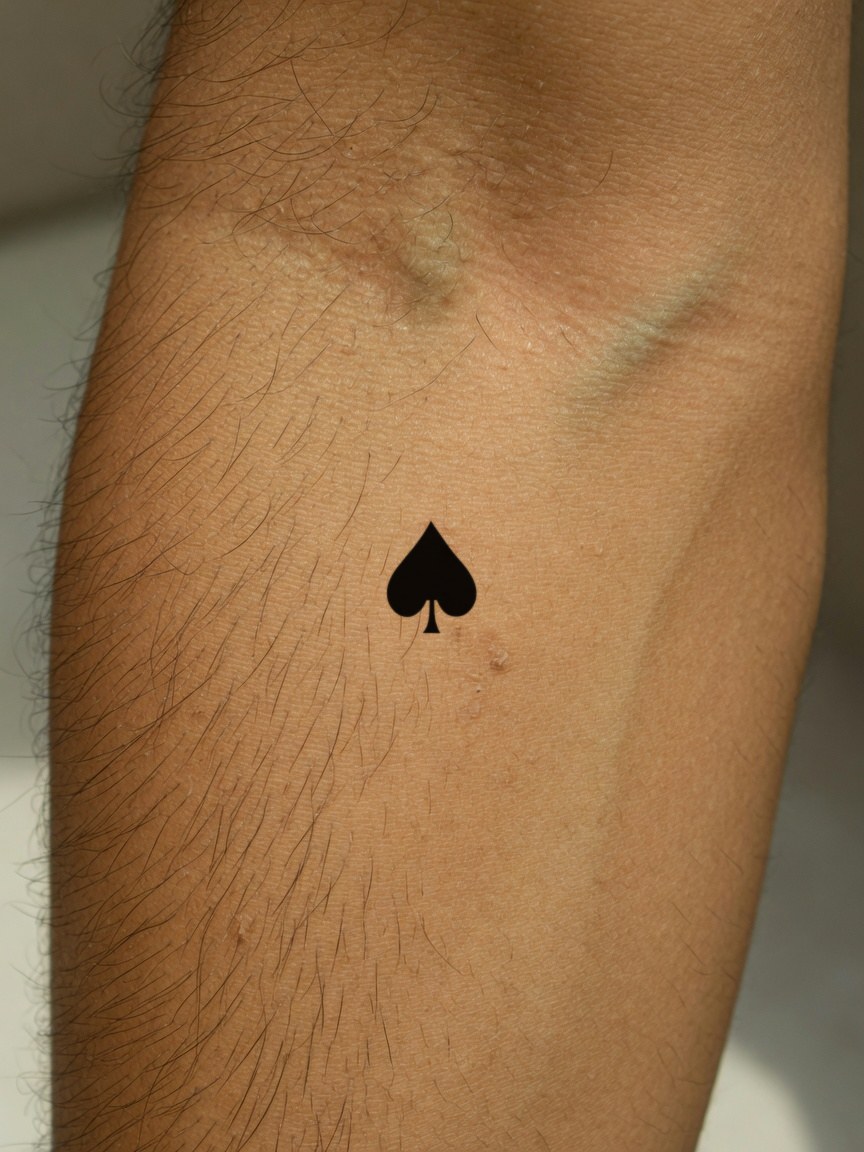
Ace of Spades
outer forearm
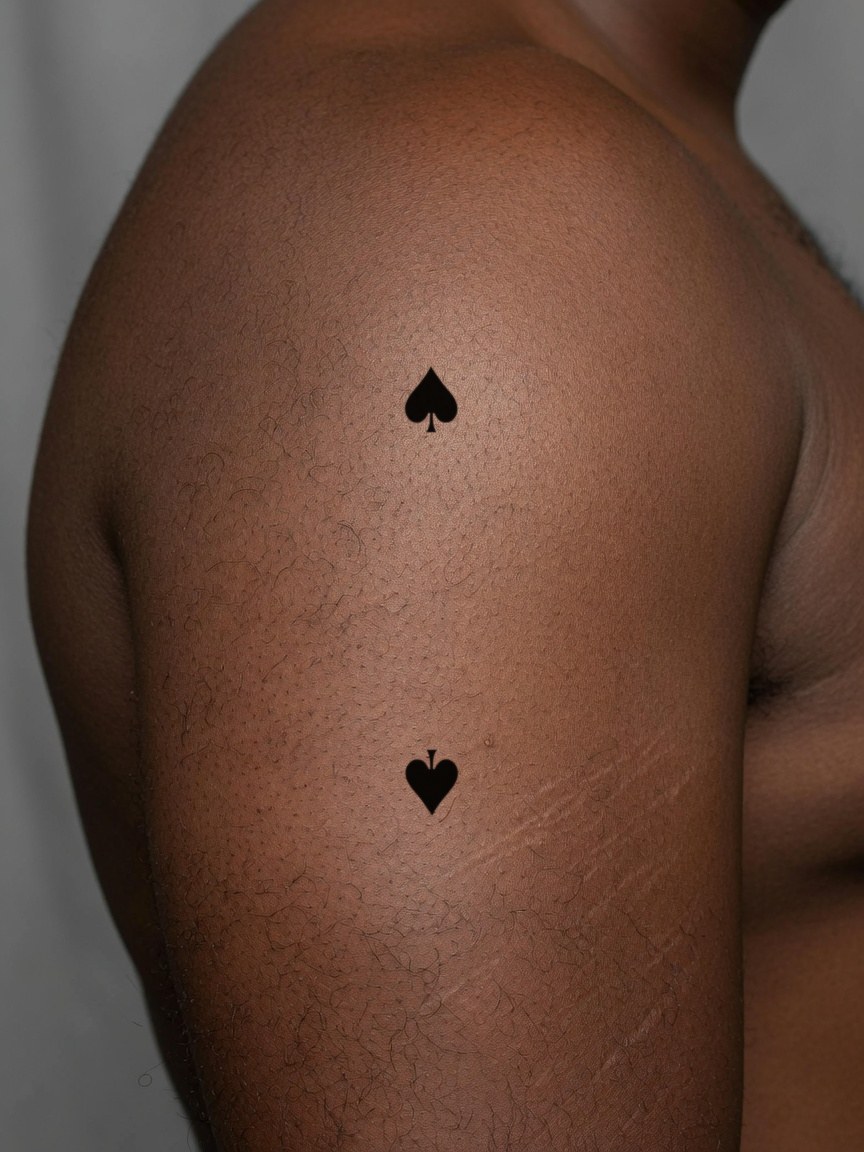
2 of Spades
upper arm
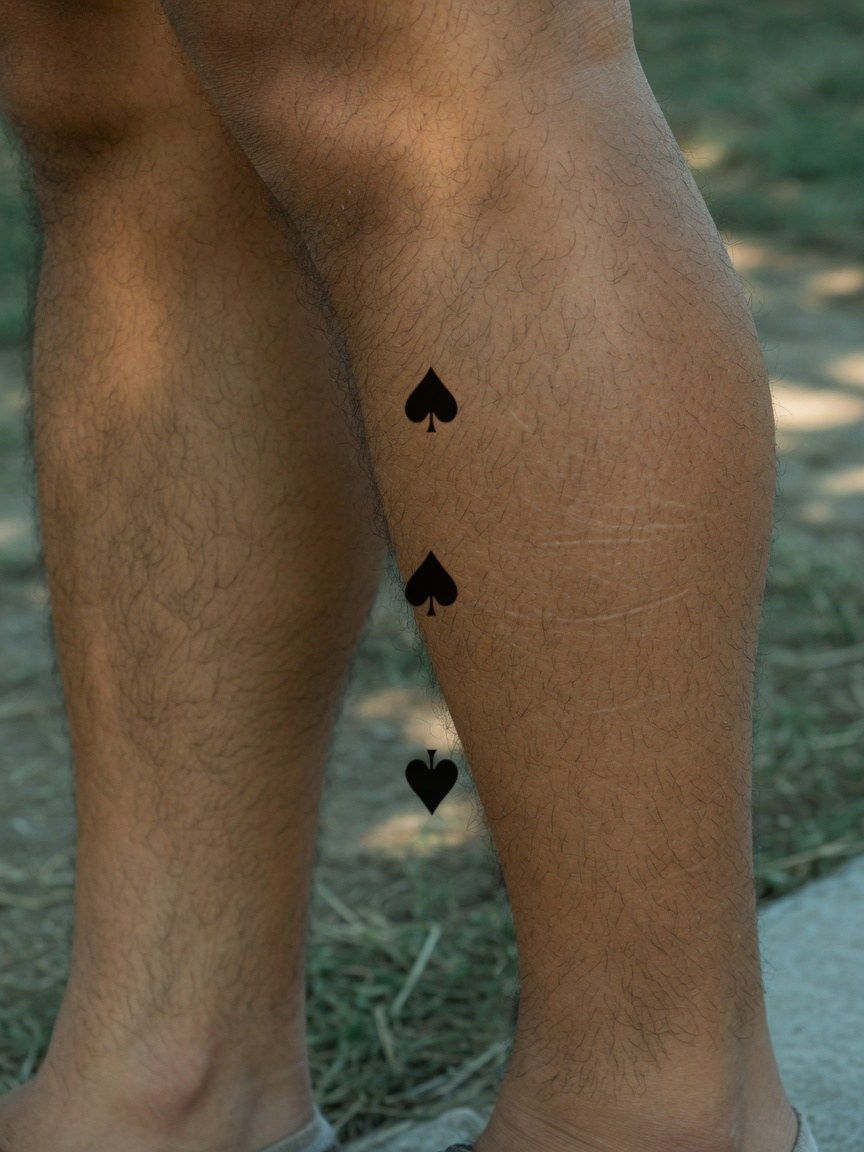
3 of Spades
calf
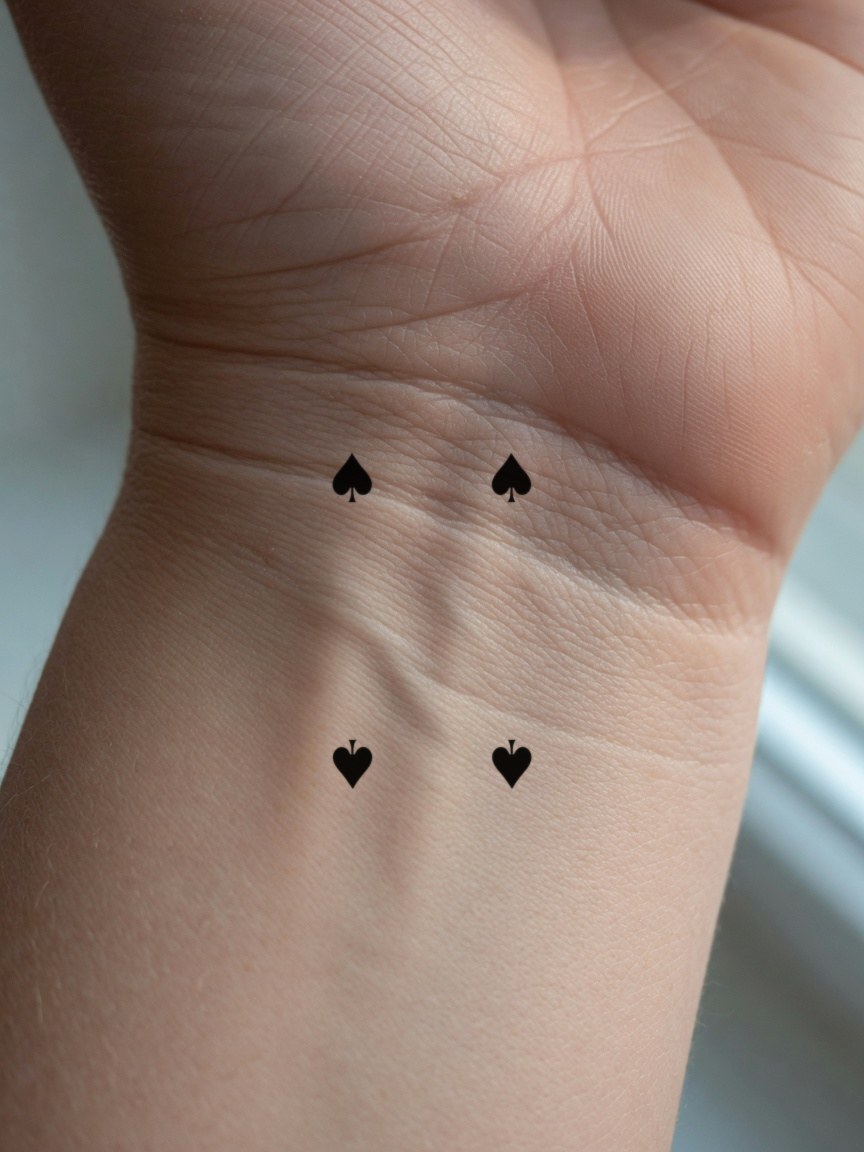
4 of Spades
inner wrist
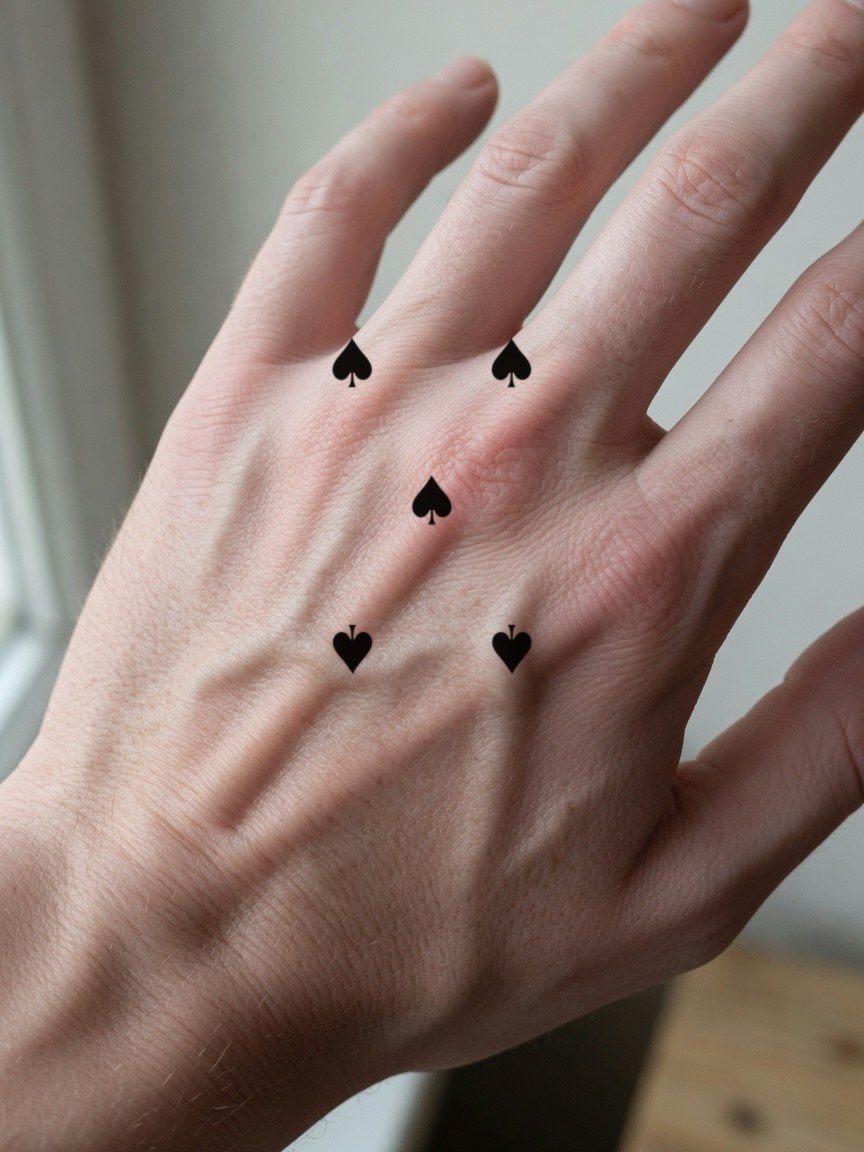
5 of Spades
back of the hand
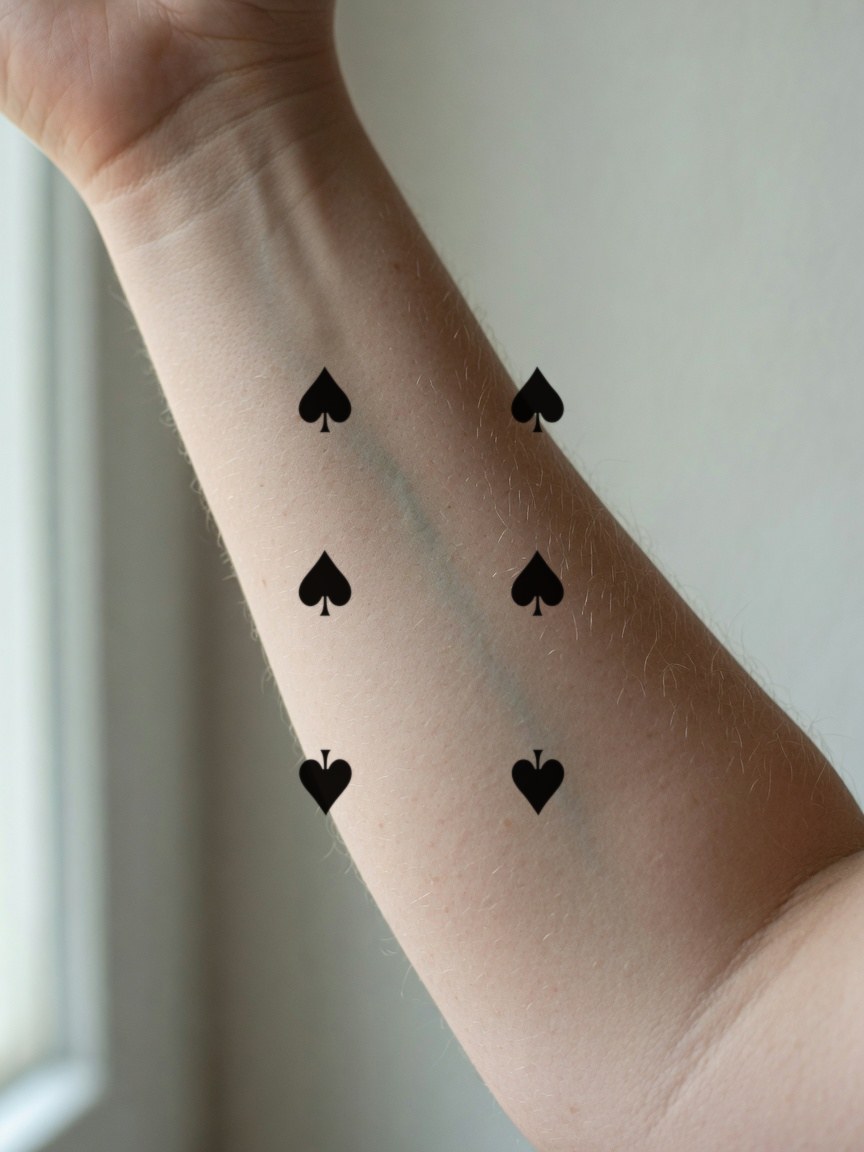
6 of Spades
inner forearm
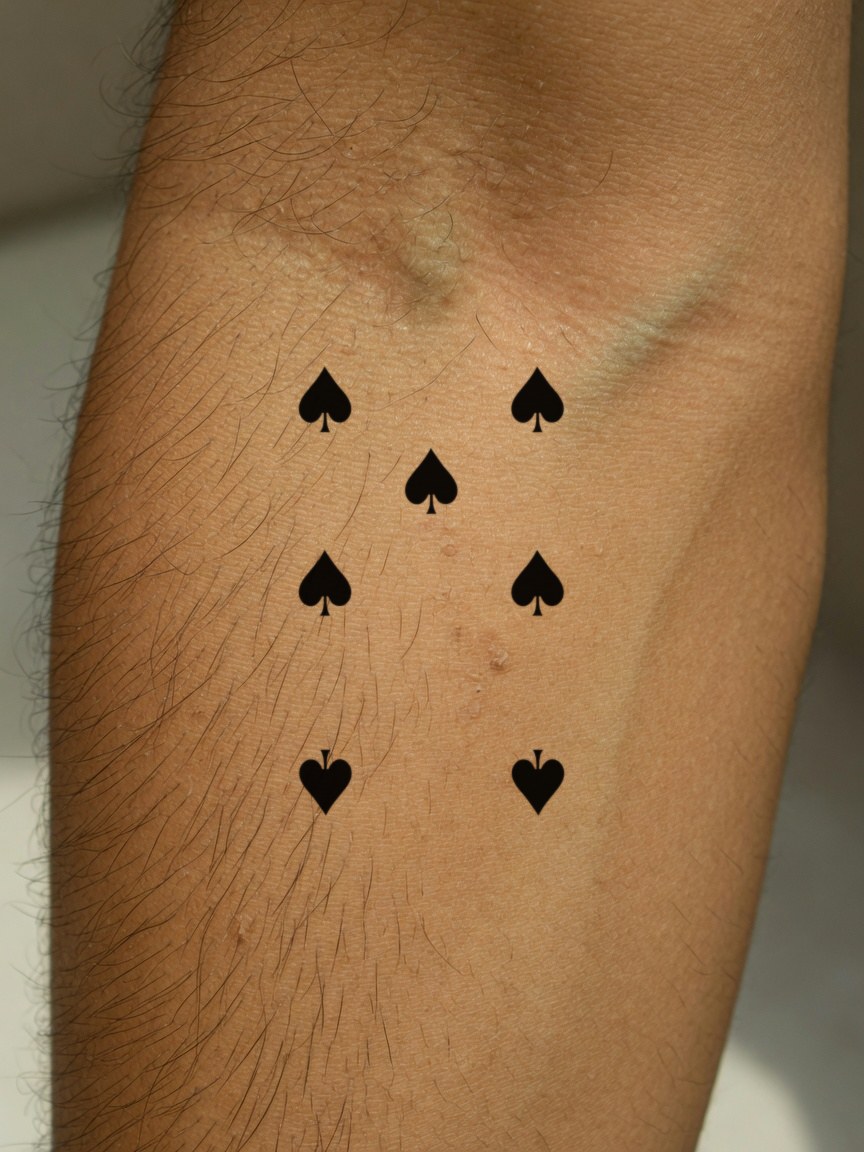
7 of Spades
outer forearm
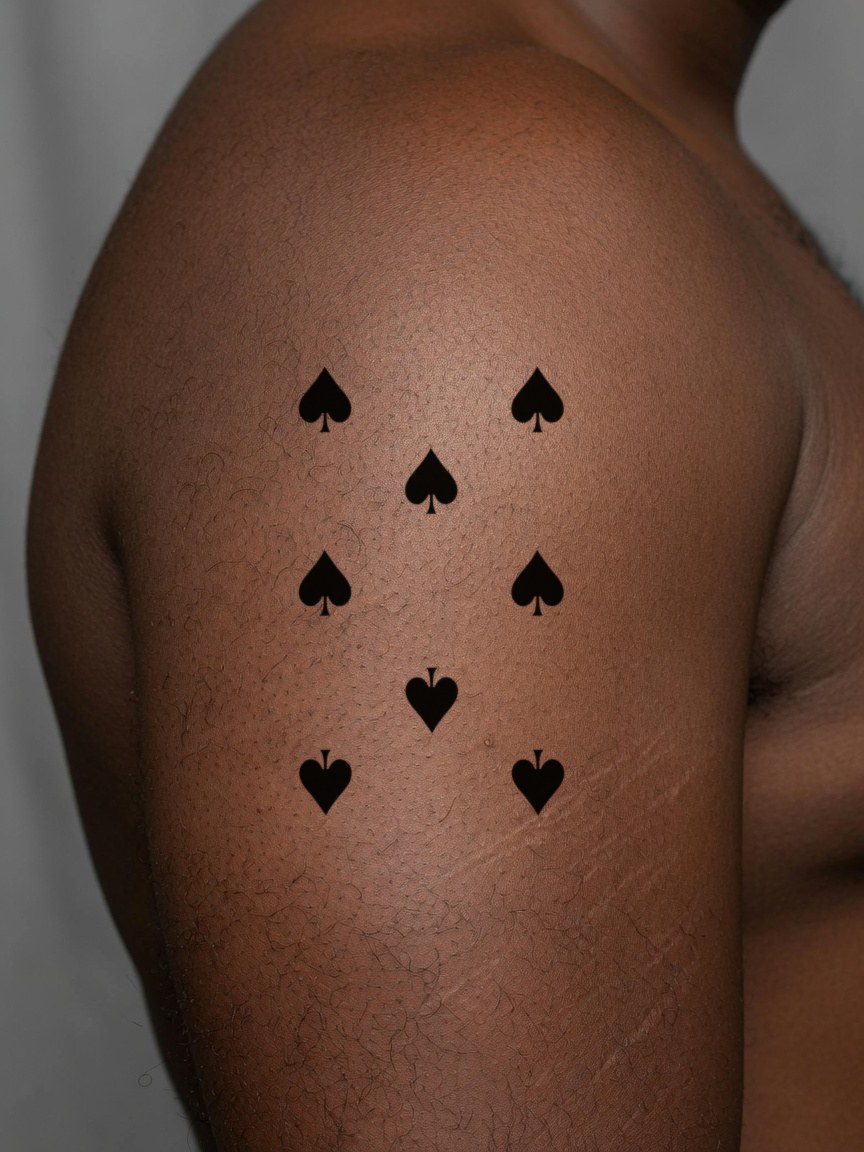
8 of Spades
upper arm
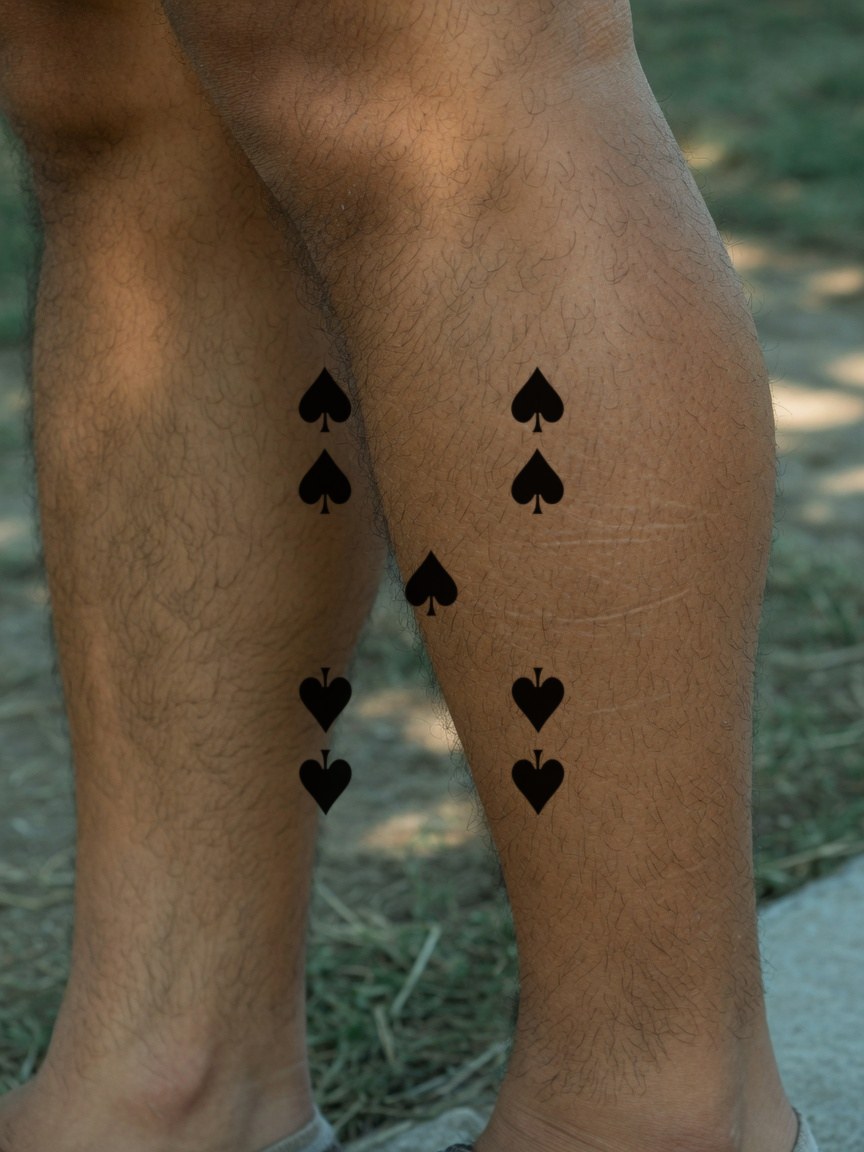
9 of Spades
calf
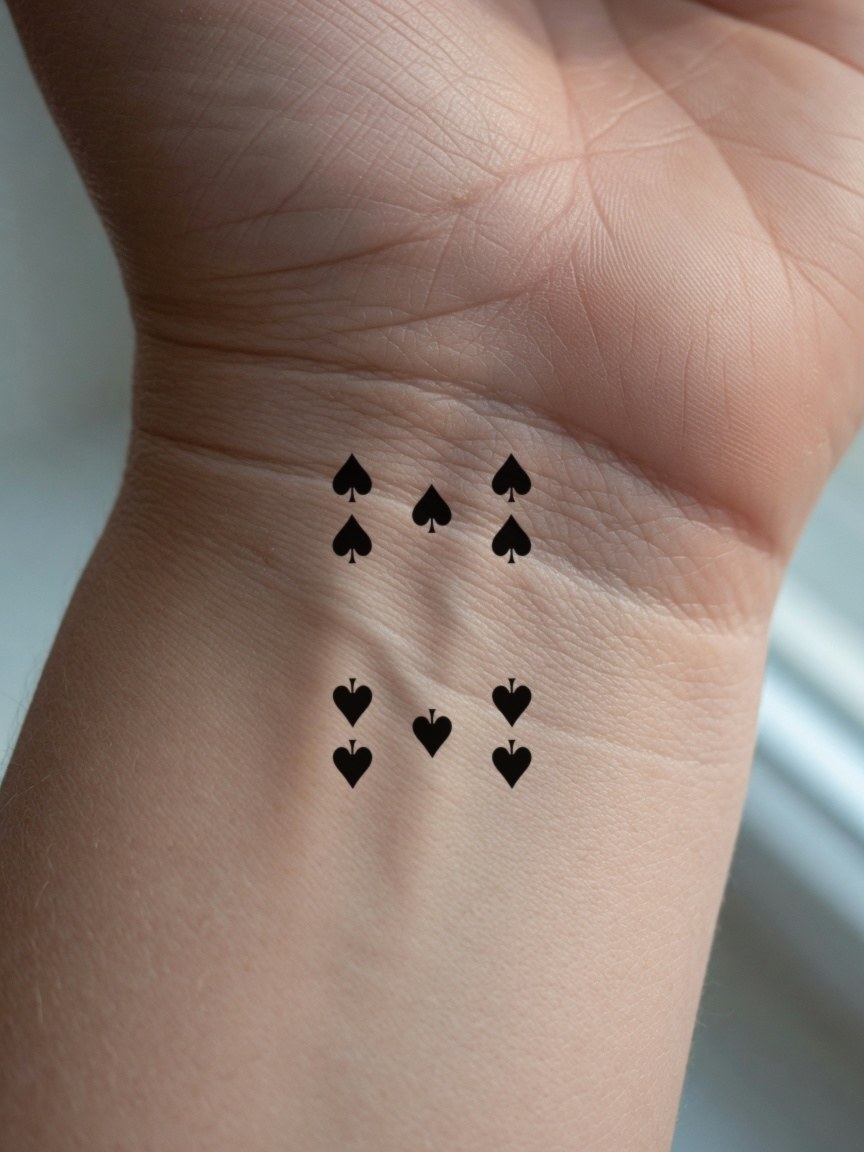
10 of Spades
inner wrist
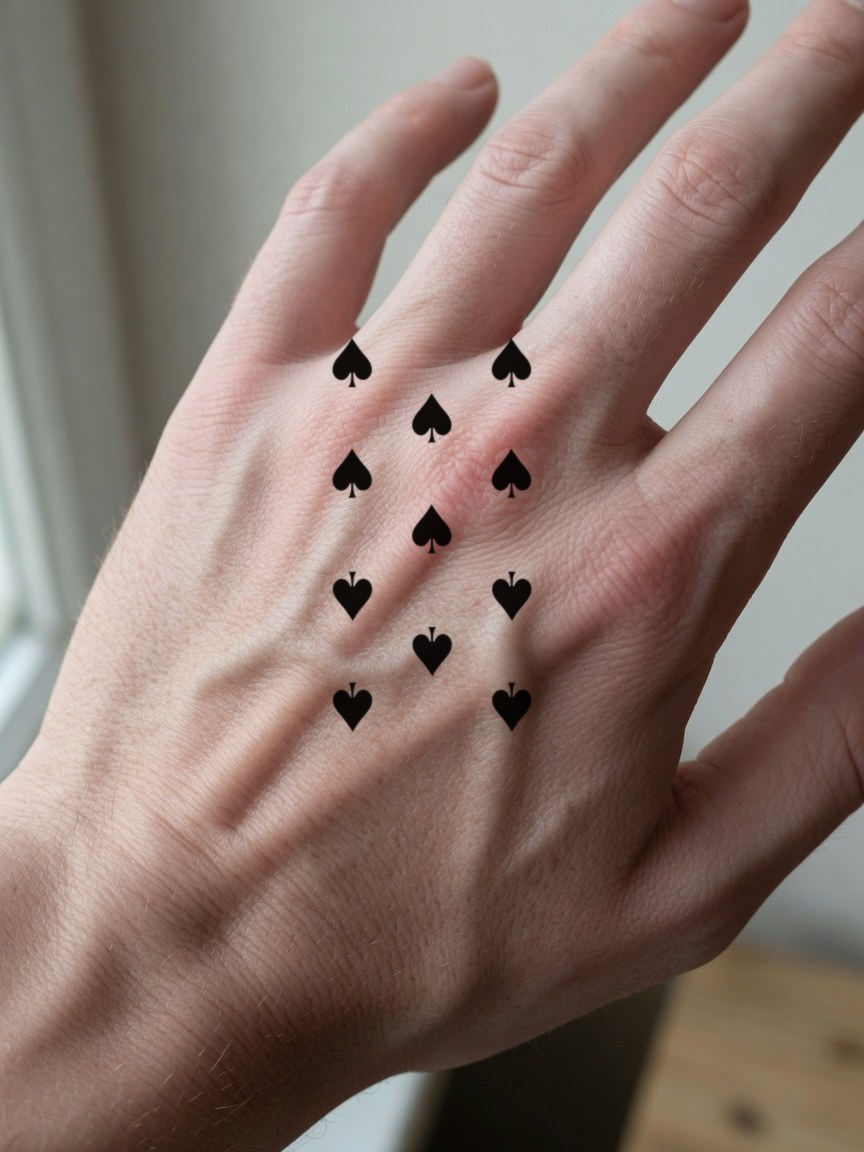
Jack of Spades
back of the hand
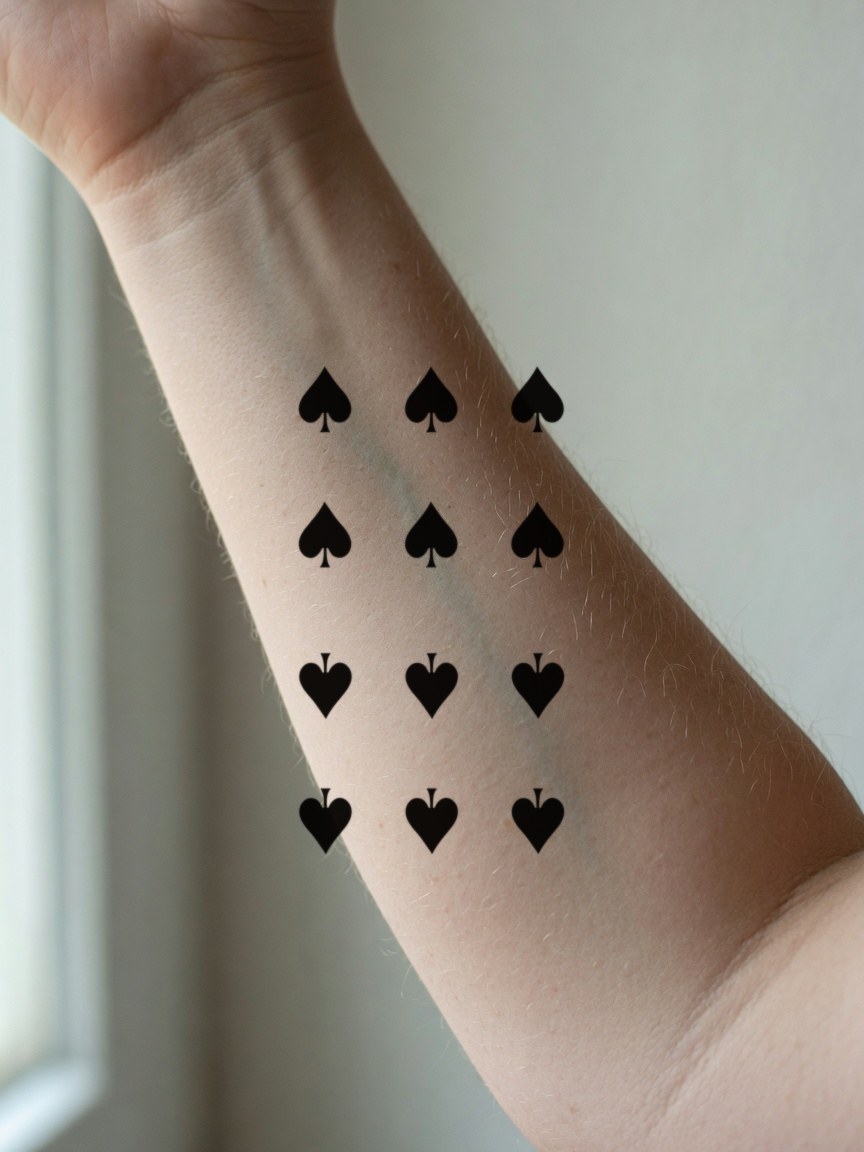
Queen of Spades
inner forearm
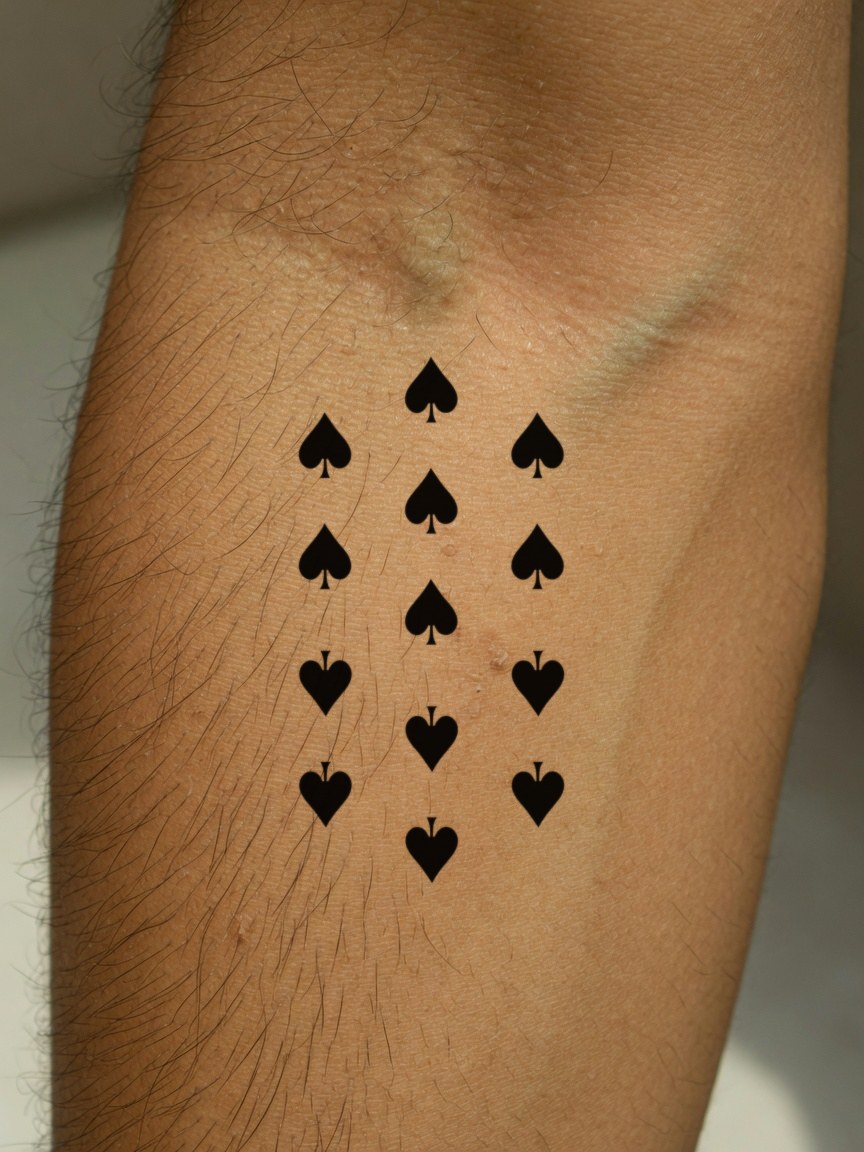
King of Spades
outer forearm
Questions
- What does a playing card tattoo mean?
- A playing-card tattoo usually gets read as luck, risk, or identity. Here it is more specific. It is the pip field of one card in the 52-card deck, which is also a Cardology birth card for a set of dates. The layout is the card. It is not fortune-telling. It is just permanent.
- Should I tattoo the whole card or just the pips?
- These references are pip-only. No rectangle. No corner index. No face. Number cards use the exact French-deck pip count and placement. Ace, Jack, Queen, and King use a single suit pip. The face lives on the card, not in the tattoo. Nobody needs a king on their forearm.
- How do I know which card to tattoo?
- If you want the card that maps to your birthday, use the birth card calculator before the needle, not after. The same month and day always return the same card. Then open that card's meaning page for the pip reference.